PM SVANidhi Age Limit 2026 is not stated as a separate minimum-or-maximum age rule in the current official eligibility material reviewed. The Prime Minister Street Vendor’s AtmaNirbhar Nidhi (PM SVANidhi) is a Central Sector Scheme for eligible street vendors, and the current government information focuses on whether a person is a qualifying street vendor and can satisfy the required identification and verification process. The official 2026 PIB FAQ describes vendors, Certificate of Vending (CoV), Letter of Recommendation (LoR), working-capital loans and other benefits, but does not prescribe a separate age band such as 18–40 years. The current e-Shram government employment-scheme listing likewise identifies street-vendor documentation as the key eligibility basis without stating a PM SVANidhi age ceiling.
This is important because many government schemes on this website have explicit age rules. For example, PM-SYM and PM-Kisan Maandhan use an 18–40 entry-age framework, while PMEGP requires applicants to be above 18. PM SVANidhi should not automatically be given the same age rule. Instead, an applicant should check street-vending status, the relevant urban-local-body verification, and the documents needed for the loan application.
PM SVANidhi Age Limit 2026 at a Glance
| Eligibility point | PM SVANidhi position in 2026 |
|---|---|
| Separate minimum age | No separate age threshold stated in the current official eligibility material reviewed |
| Separate maximum age | No separate age ceiling stated in the current official eligibility material reviewed |
| Main target group | Eligible street vendors |
| Key identification | Certificate of Vending/Identity Card or applicable Letter of Recommendation route |
| Current lending period | Extended through 31 March 2030 |
| Loan tranches | Up to ₹15,000, ₹25,000 and ₹50,000 under the restructured scheme |
| Interest subsidy | 7% per annum for eligible timely/early repayment under the scheme |
| Credit-card feature | UPI-linked RuPay Credit Card up to ₹30,000 for eligible vendors after repayment of the second tranche |
Table of Contents
What Is the PM SVANidhi Age Limit?
The safest answer for 2026 is: the current official PM SVANidhi eligibility information reviewed does not specify a separate minimum or maximum age limit. This does not mean that every person of every age automatically qualifies. It means that age is not presented as the main eligibility filter in the current government material. The scheme is designed around the applicant being a street vendor who satisfies the applicable identification, vending and verification requirements.
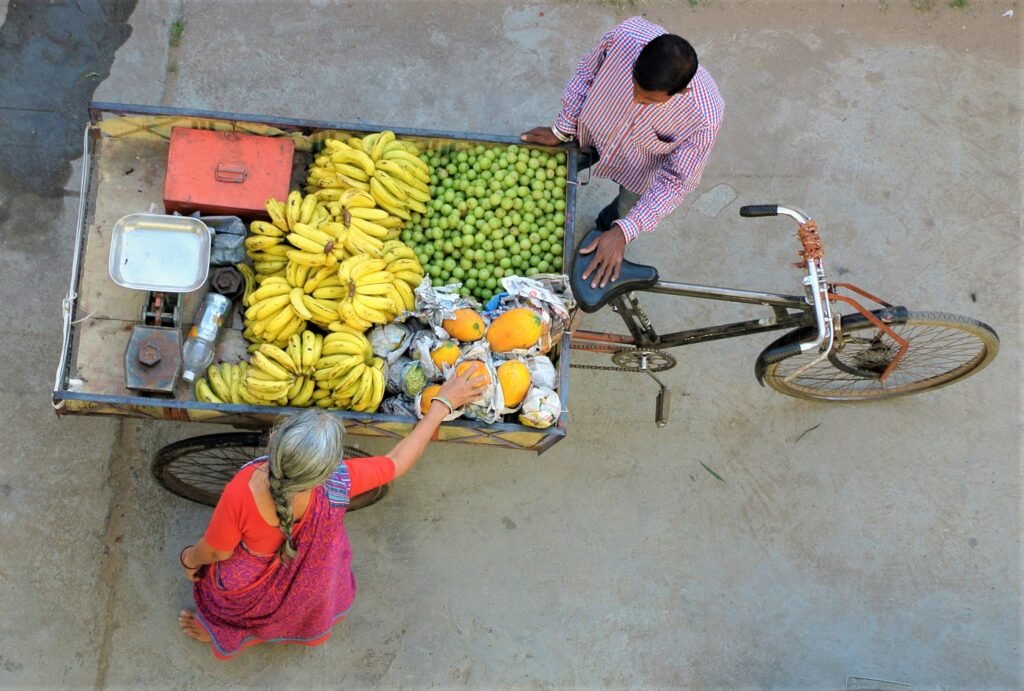
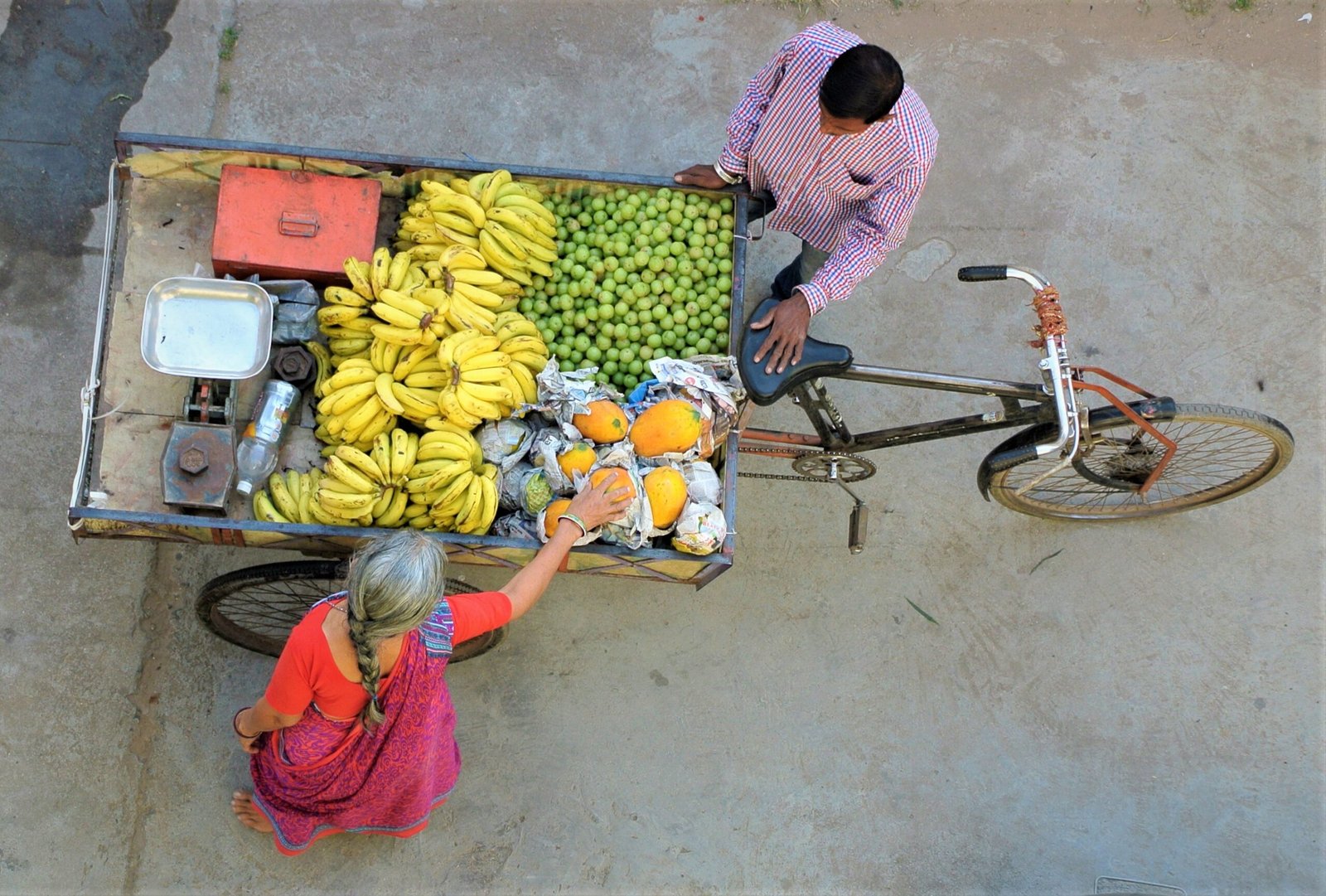
The May 2026 PIB FAQ defines a street vendor/hawker as a person engaged in vending articles, goods, wares, food items or merchandise for daily use, or offering services to the public from a street, footpath, pavement, temporary structure or by moving from place to place. The examples include vegetable and fruit sellers, street-food vendors, barbers, cobblers and laundry services.
Therefore, if you are checking PM SVANidhi eligibility because of your date of birth, do not apply an 18–40 rule from another pension or welfare scheme. Instead, check whether your street-vending status and documentation meet the current PM SVANidhi requirements. If a lender or local authority asks for additional age or identity information as part of its own verification, follow that current application requirement.
Why There Is Confusion About 18 Years
Search results for government schemes frequently mix together programmes that have completely different eligibility structures. PM-SYM and PM-Kisan Maandhan, for example, explicitly use an 18–40 entry range. PM Vishwakarma requires an applicant to be at least 18, while PMEGP requires an individual applicant to be above 18. Those rules belong to those schemes; they should not be copied into a PM SVANidhi article without official support.
PM SVANidhi has a different design. It is a working-capital credit scheme for street vendors rather than an age-based pension or an enterprise subsidy programme. The current official FAQ focuses on vendor status, CoV/LoR routes, loan tranches and repayment rather than a prescribed age bracket.
Who Is Eligible for PM SVANidhi in 2026?
The central question is whether the applicant is an eligible street vendor under the scheme’s current implementation framework. Government information says the scheme supports street vendors through affordable working capital, financial inclusion and social-protection measures. Vendors can include people selling goods or food and people providing certain public-facing services from streets, pavements or temporary structures.
The current implementation has also expanded the geographical coverage beyond the original statutory urban-area approach. A July 2026 PIB release states that, under the restructured scheme, coverage is being expanded in phases beyond statutory urban areas to include census towns and peri-urban areas. It also states that seasonal, mobile, women and tourism-dependent street vendors are covered if they satisfy the prescribed eligibility criteria.
| Check | What the applicant should establish |
|---|---|
| Occupation | You are genuinely engaged in street vending or a covered vending/service activity |
| Location | Your vending activity falls within the scheme’s current coverage and applicable ULB/geographical framework |
| Vendor identification | CoV/identity documentation or the applicable LoR/provisional route |
| Verification | Required details can be verified by the relevant ULB/TVC or authorised process |
| Loan history | Any earlier PM SVANidhi tranche has been handled according to repayment requirements before moving to the next tranche |
| Application details | Aadhaar/e-KYC and banking information can be completed where required |
Certificate of Vending and Letter of Recommendation
Vendor identification is central to PM SVANidhi. The official FAQ says a street vendor holding a valid Letter of Recommendation or Certificate of Vending can apply through the scheme portal, mobile application or with assistance from Urban Local Bodies.
Government information also explains that vendors identified in a survey but not yet issued a Certificate of Vending or Identity Card may have a route to obtain a provisional certificate through the IT platform. For vendors from surrounding rural or peri-urban areas who vend within city/town limits, or vendors left out of the survey, the official FAQ describes an LoR process through the ULB/Town Vending Committee. Evidence such as a previous vending-related loan, membership of a street-vendor association or other proof of vending may be relevant.
Are Rural and Peri-Urban Vendors Covered?
Yes, the current framework is broader than the original statutory-urban-area implementation. The July 2026 government release states that coverage is being expanded in a phased manner to census towns, peri-urban areas and other areas beyond statutory urban areas. It also notes that vendors from surrounding areas can be covered when they vend within the geographical limits of the relevant urban local bodies, subject to the scheme criteria.
This matters for applicants who live outside a city but regularly sell goods or services inside an urban market. Residence alone should not be treated as the only test. The relevant question is where and how the vending activity is carried out and whether the applicant can obtain the required local verification or recommendation.
PM SVANidhi Loan Amounts in 2026
The restructured PM SVANidhi scheme now provides progressive working-capital support through loan tranches of up to ₹15,000, ₹25,000 and ₹50,000. The July 2026 PIB update reports these tranches with repayment periods of 12, 18 and 36 months respectively.
| Loan stage | Maximum amount | Reported repayment period |
|---|---|---|
| First tranche | Up to ₹15,000 | 12 months |
| Second tranche | Up to ₹25,000 | 18 months |
| Third tranche | Up to ₹50,000 | 36 months |
These are maximum scheme amounts, not an automatic promise that every applicant will receive the maximum amount. Loan sanction remains subject to the scheme process, documentation and lender requirements. The current government FAQ describes PM SVANidhi as collateral-free working-capital support, while the official portal disclaimer makes clear that lenders make lending decisions under their own credit and risk policies.
Repayment and Interest Subsidy
Repayment history is important because PM SVANidhi is structured as progressive credit. The official February 2026 PIB update explains that successful repayment of the first and second tranches makes the vendor eligible to access the next higher tranche. The scheme also provides a 7% per annum interest subsidy to encourage timely or early repayment.
In practical terms, an applicant should not look only at the initial loan amount. The repayment record can affect access to later credit. Keeping instalments current and retaining loan records can therefore be important for a vendor who wants to progress from the first tranche to the second and third stages.
Digital Transaction Incentives
PM SVANidhi also encourages digital payments. Government updates describe cashback incentives linked to digital transactions. The August 2026 PIB release states that eligible vendors can receive cashback of up to ₹100 per month for 12 months, with a maximum digital incentive of ₹1,200 per year for each tranche, along with a separate wholesale-purchase digital incentive under the restructured provisions.
The purpose is broader than a small cashback amount. Digital transactions can create a transaction history that supports formal financial participation and can complement the scheme’s wider objective of moving street vendors toward more formal credit and digital inclusion.
How to Apply for PM SVANidhi
The government FAQ says a vendor holding a valid CoV or LoR can apply through the PM SVANidhi portal or mobile application, or with assistance from the relevant ULB.
- Confirm that you are genuinely engaged in a covered street-vending activity.
- Check whether you have a Certificate of Vending, Identity Card, Letter of Recommendation or another applicable verification route.
- Keep Aadhaar and other identity information ready for e-KYC where required.
- Keep the bank-account information required for loan processing ready.
- Apply through the official PM SVANidhi portal/mobile application or seek help from the appropriate ULB.
- Review the loan amount, repayment schedule and lender terms before accepting the credit.
- Make repayments on time if you want to remain eligible for progressive higher tranches and applicable interest subsidy.
- Keep the acknowledgement, loan records and relevant vendor documents safely.
The March 2026 PIB update states that identification of street vendors is carried out by States/UTs through surveys under the Street Vendors (Protection of Livelihood and Regulation of Street Vending) Act, 2014, while ULBs and State/UT governments are responsible for the relevant survey and Certificate of Vending processes. The scheme is demand-driven, so eligible vendors who need working-capital support apply through the official channels.
Documents and Verification Checklist
The exact documents can vary according to the vendor’s situation and the application route, so applicants should follow the current instructions of the official portal and ULB. The government material nevertheless points to several recurring verification elements.
| Item | Why it matters |
|---|---|
| Certificate of Vending/Identity Card | Primary evidence of recognised vendor status where available |
| Letter of Recommendation | Alternative route for eligible vendors in applicable circumstances |
| Aadhaar/e-KYC information | Identity verification and digital processing |
| Bank account details | Loan disbursement and financial processing |
| Proof of vending where required | May support LoR or local verification for vendors not already covered by a survey |
| Previous loan information | Relevant when moving between PM SVANidhi tranches or verifying repayment history |
Who May Not Qualify?
Because PM SVANidhi is targeted at street vendors, a person who cannot establish covered vending activity should not assume that the scheme applies simply because they are self-employed. The applicant must fit the scheme’s vendor definition and satisfy the applicable local identification and verification requirements.
- A person with no qualifying street-vending activity may not meet the core target-beneficiary requirement.
- A person unable to complete the required vendor identification or recommendation process may need to obtain the applicable verification before applying.
- A person applying for a higher tranche without satisfying the preceding tranche’s repayment conditions may not qualify for that higher stage.
- A loan application can still be subject to the lender’s credit and risk policies even when the applicant meets the scheme-level vendor criteria.
- Applicants should not rely on old 2020-era loan amounts because the scheme was restructured and extended in 2025 and current 2026 information uses higher progressive tranches.
PM SVANidhi vs Other Government Schemes
It is useful to separate PM SVANidhi from other government programmes that appear in similar searches. PM SVANidhi is primarily a working-capital credit programme for street vendors. PM-KMY is a contributory pension scheme for eligible small and marginal farmers. PM-SYM is a contributory pension scheme for eligible unorganised workers. PMEGP supports eligible applicants establishing new enterprises. PM Vishwakarma supports artisans and craftspeople in specified trades.
| Scheme | Primary purpose | Age treatment |
|---|---|---|
| PM SVANidhi | Working-capital credit and financial inclusion for street vendors | No separate minimum/maximum age rule stated in the current official material reviewed |
| PM-KMY | Contributory pension for eligible small/marginal farmers | 18–40 entry age |
| PM-SYM | Contributory pension for eligible unorganised workers | 18–40 entry age |
| PMEGP | Support for setting up eligible new enterprises | Individual applicant must be above 18 |
| PM Vishwakarma | Support for artisans/craftspeople in 18 specified trades | Minimum 18; no maximum age in official FAQ |
If you are researching another scheme on this site, the site’s Age Calculator can help you calculate your completed age, but the scheme’s own official eligibility rules remain the final authority. For example, see the site’s PM Kisan Maandhan Age Limit 2026 guide when the question concerns the farmer pension scheme rather than street-vendor credit.
DOB and Age Questions: Practical Examples
Because the scheme does not state a separate age band in the current official material reviewed, birthday examples should not be treated as eligibility decisions. They simply show why age should not be used as the primary PM SVANidhi filter.
| Applicant situation | What the age question means for PM SVANidhi |
|---|---|
| Vendor below 18 | Current official PM SVANidhi material reviewed does not provide a separate age threshold; verify the current application and lender/ULB requirements rather than importing another scheme’s rule. |
| Vendor aged 18–40 | Age alone does not establish eligibility; check vendor status and documentation. |
| Vendor aged 41–59 | Do not assume exclusion because another pension scheme uses 18–40; PM SVANidhi’s current materials reviewed do not state that ceiling. |
| Vendor aged 60+ | Do not assume automatic exclusion based solely on age; verify the current official scheme and application requirements. |
| Any vendor close to a birthday | Focus on the current vendor-identification and loan requirements, and confirm any additional lender/ULB documentation requested. |
Common PM SVANidhi Eligibility Mistakes
- Copying an 18–40 rule from PM-SYM or PM-KMY: those are separate pension schemes.
- Assuming age alone makes someone eligible: PM SVANidhi is targeted at qualifying street vendors.
- Ignoring CoV/LoR requirements: vendor identification is central to the application process.
- Using outdated loan figures: the restructured scheme now uses progressive loans of up to ₹15,000, ₹25,000 and ₹50,000.
- Forgetting repayment conditions: higher tranches depend on successful repayment of earlier loans.
- Assuming residence outside a statutory urban area always disqualifies a vendor: the current framework is expanding coverage to additional areas and includes relevant peri-urban/rural vending routes.
- Treating the maximum loan as guaranteed: actual sanction is subject to the applicable process and lender requirements.
- Using unofficial portals: apply through the official PM SVANidhi channels or obtain assistance from the relevant ULB.
PM SVANidhi Age Limit 2026 FAQs
What is the minimum age for PM SVANidhi?
The current official eligibility material reviewed does not state a separate PM SVANidhi minimum age. Eligibility is primarily framed around being an eligible street vendor and completing the required identification and verification process. Confirm any additional current application requirement with the official portal or relevant ULB.
What is the maximum age for PM SVANidhi?
No separate maximum age is stated in the current official PM SVANidhi eligibility material reviewed. Do not apply the 40-year ceiling used by PM-SYM or PM-KMY to PM SVANidhi.
Can a person over 40 apply for PM SVANidhi?
Age over 40 is not identified as an automatic exclusion in the current official material reviewed. A prospective applicant should instead establish qualifying street-vendor status and satisfy the applicable documentation, ULB and lender requirements.
What is the current first PM SVANidhi loan amount?
Under the restructured scheme, the first working-capital tranche is up to ₹15,000. The second and third tranches can be up to ₹25,000 and ₹50,000 respectively, subject to the scheme and repayment conditions.
Is PM SVANidhi loan collateral-free?
PM SVANidhi is designed to provide collateral-free working-capital loans to eligible street vendors. The government describes the scheme as a formal-credit intervention for street vendors, while the actual loan remains subject to the lender’s processing and credit policies.
What documents can a vendor use to apply?
A valid Certificate of Vending or applicable Letter of Recommendation can be important. Aadhaar/e-KYC, bank details and other verification information may also be required. Vendors not already covered by a survey can have an applicable LoR route through the ULB/TVC, subject to the scheme process.
Are rural or peri-urban street vendors eligible?
The current restructured framework expands coverage beyond the original statutory urban areas in phases and includes relevant census-town and peri-urban coverage. Vendors from surrounding areas vending within applicable urban geographical limits can also have an eligibility route, subject to the prescribed criteria.
How long is PM SVANidhi available?
The Union Cabinet approved restructuring and extension of the lending period through 31 March 2030. The restructured scheme is intended to benefit 1.15 crore beneficiaries, including 50 lakh new beneficiaries.
Current 2026 Changes to Know
PM SVANidhi has changed materially from its original 2020 design. The Union Cabinet’s 2025 restructuring extended lending through March 2030 and increased the progressive credit structure. By August 2026, the government reported that the restructured phase had already disbursed 21.86 lakh loans to 10.56 lakh new beneficiaries during its first year, amounting to ₹6,294 crore. Since inception, the scheme had enabled 78.68 lakh street vendors to access more than 1.18 crore loans worth ₹19,171 crore.
The same 2026 update highlights the UPI-linked RuPay Credit Card, social-security linkages, capacity building and entrepreneurship support. This means that a current PM SVANidhi eligibility article should not rely only on the original ₹10,000 first-tranche description from 2020-era material. Applicants should use current 2026 government information when checking the scheme.
Quick Eligibility Checklist
- Confirm that your occupation fits the official street-vendor definition.
- Check your Certificate of Vending, Identity Card or applicable Letter of Recommendation route.
- Confirm the relevant ULB/TVC or other official verification process.
- Keep Aadhaar/e-KYC and bank details ready where required.
- Use the current restructured loan amounts rather than outdated 2020 figures.
- If seeking a higher tranche, confirm that the preceding loan has been successfully repaid.
- Review lender terms before accepting the loan.
- Do not reject yourself merely because you are above 40: the current official material reviewed does not state a 40-year maximum for PM SVANidhi.
- Do not assume age alone creates eligibility: vendor status and verification remain central.
Final Takeaway
PM SVANidhi Age Limit 2026 is not defined by a separate minimum or maximum age in the current official eligibility material reviewed. The scheme is built around eligible street vendors and the required vendor identification and verification process. A Certificate of Vending, Identity Card or applicable Letter of Recommendation can be important, and the current framework also accommodates broader geographical coverage and different categories of vendors subject to the prescribed criteria.
The scheme has also been restructured: current progressive loans can reach ₹15,000, ₹25,000 and ₹50,000, lending has been extended to March 2030, and digital and social-security features have been expanded. If you are checking eligibility, focus first on whether you are a qualifying street vendor, whether your vendor status can be verified, and whether you meet the current application and lender requirements. Do not import an age rule from PM-SYM, PM-KMY, PMEGP or another scheme.
Official Sources
- PIB — PM SVANidhi: Advancing Financial Inclusion for Street Vendors, 30 May 2026
- PIB — PM SVANidhi Completes One Year of Restructuring, 27 August 2026
- PIB — Street Vendors under PM SVANidhi, 27 July 2026
- PIB — PM SVANidhi Completes Six Years, 31 May 2026
- PIB — PM SVANidhi: From Survival to Self-Reliance
- e-Shram — Government employment schemes
- Official PM SVANidhi Portal