
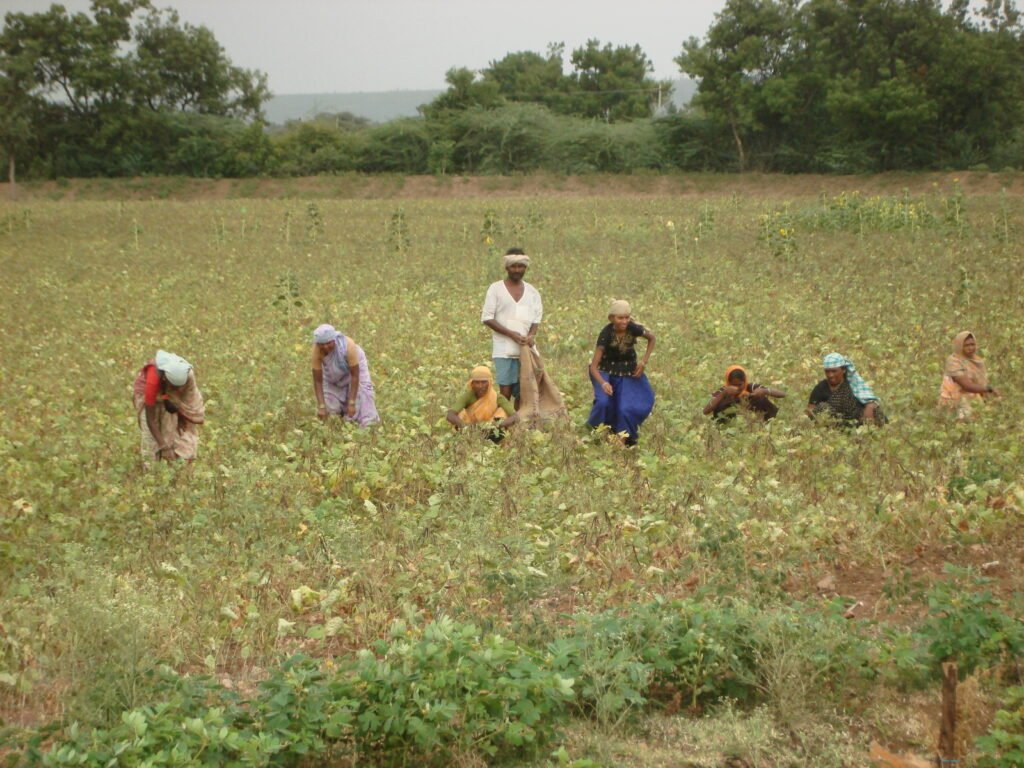
If you are checking the Kisan Credit Card age limit 2026 before applying, the current MyScheme guidance says an applicant should be at least 18 years old and can be up to 75 years old. For a senior citizen, a co-borrower who is a legal heir is required. Age is only one part of KCC eligibility: the scheme also covers owner cultivators, tenant farmers, oral lessees, sharecroppers, and eligible farmer groups such as SHGs and JLGs.
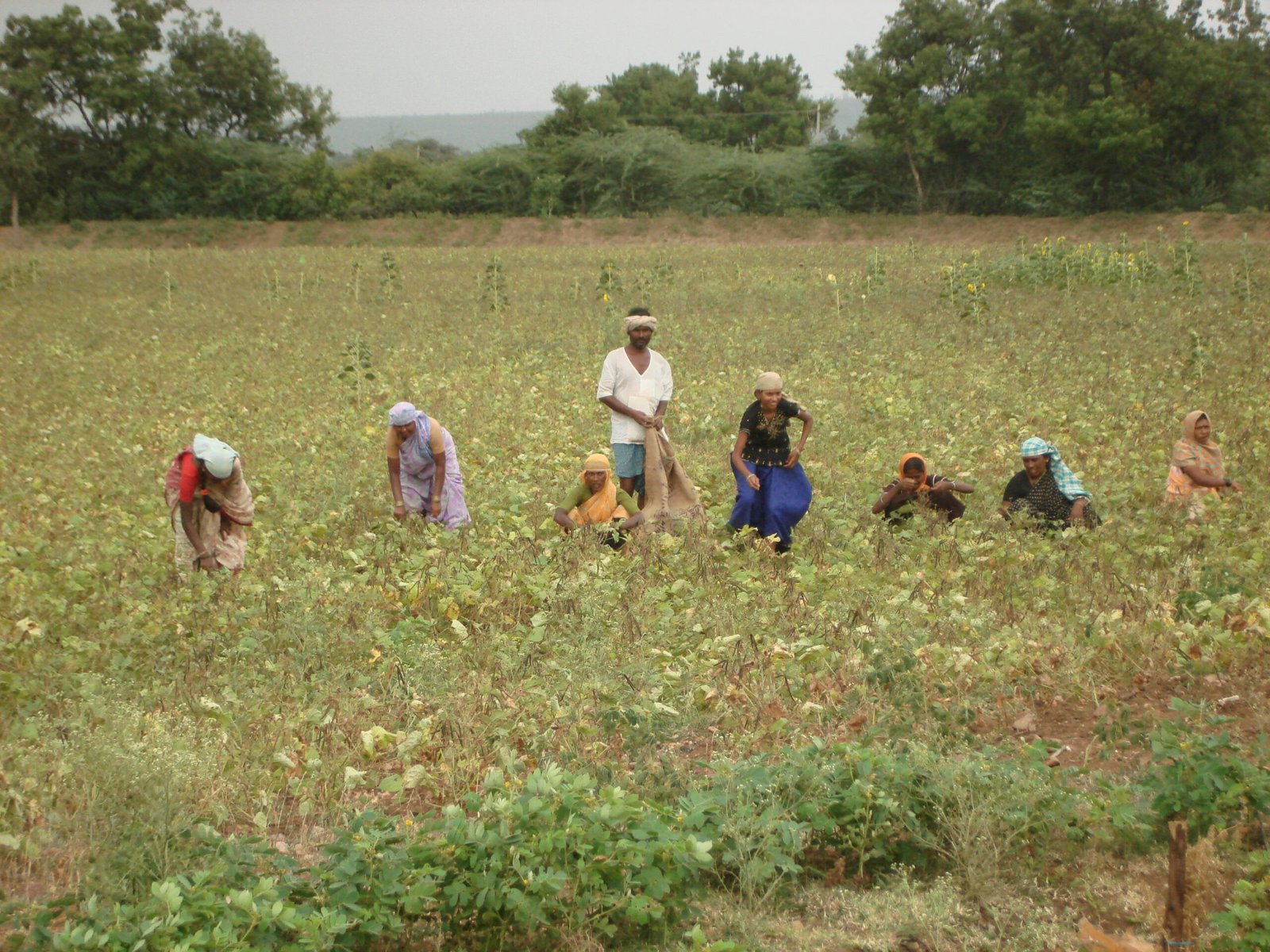
What Is the Kisan Credit Card Age Limit in 2026?
The current official MyScheme FAQ gives a minimum age of 18 years and a maximum age of 75 years for applying for a Kisan Credit Card. It also adds a specific condition for senior citizens: a legal-heir co-borrower is mandatory.
| Rule | 2026 position |
|---|---|
| Minimum age | 18 years |
| Maximum age | 75 years |
| Senior citizen applicant | Legal-heir co-borrower required |
| Main purpose | Timely credit for farming and allied activities |
| Eligible applicants | Owner cultivators, tenant farmers, oral lessees, sharecroppers, SHGs/JLGs of farmers |
| Validity | MyScheme says 5 years, with tenure depending on the activity |
This means a person who has completed 18 years can fall within the stated age range, while an applicant older than 75 does not meet the age requirement stated in the current MyScheme KCC FAQ. Banks can still apply their own lending, documentation and repayment assessment requirements within the scheme framework.
Why the KCC Age Limit Matters
The age rule is especially important for applicants near either boundary. A person who is 17 years and 11 months old does not meet the stated minimum. A person who has crossed the stated maximum age also does not meet the current MyScheme age criterion.
For older farmers, the rule is slightly different in practice because the official FAQ does not simply stop at the age number. It says a senior citizen must have a co-borrower who is a legal heir. Therefore, an older applicant should not assume that reaching 60, 65 or another senior-citizen age automatically makes KCC unavailable. Instead, the applicant should check the bank’s documentation and co-borrower requirements.
KCC Eligibility Beyond Age
The Kisan Credit Card is not restricted only to landowners. The official KCC framework includes several categories of farmers.
1. Owner cultivators
Individual farmers and joint borrowers who are owner cultivators can be considered for KCC.
2. Tenant farmers
Tenant farmers can also be eligible. This is important because farming credit is not limited to people who hold land title in their own name.
3. Oral lessees and sharecroppers
The official scheme framework also includes oral lessees and sharecroppers.
4. Farmer groups
Self Help Groups and Joint Liability Groups of farmers can also be eligible, including groups involving tenant farmers and sharecroppers.
The bank will assess the applicant’s documents, farming activity, land or cultivation details, repayment capacity and other applicable conditions before sanctioning credit.
What Can a Kisan Credit Card Be Used For?
KCC is designed as a flexible agricultural credit facility rather than a card meant only for purchasing seeds. The official scheme covers a range of farming and allied needs.
Crop cultivation
Farmers can use KCC credit for short-term cultivation requirements, including agricultural inputs and other crop-production expenses.
Post-harvest expenses
The scheme can support expenses incurred after harvesting.
Produce marketing
KCC can be used for produce marketing loans, helping eligible farmers manage financing needs connected with the sale of agricultural produce.
Household consumption requirements
The official KCC framework includes certain consumption requirements of the farmer household.
Working capital for farm assets and allied activities
Credit can support working capital for maintenance of farm assets and activities allied to agriculture.
Investment credit
KCC can also cover investment requirements connected with agriculture and allied activities. Examples include land development, minor irrigation, farm equipment and other eligible investments, subject to the bank’s assessment.
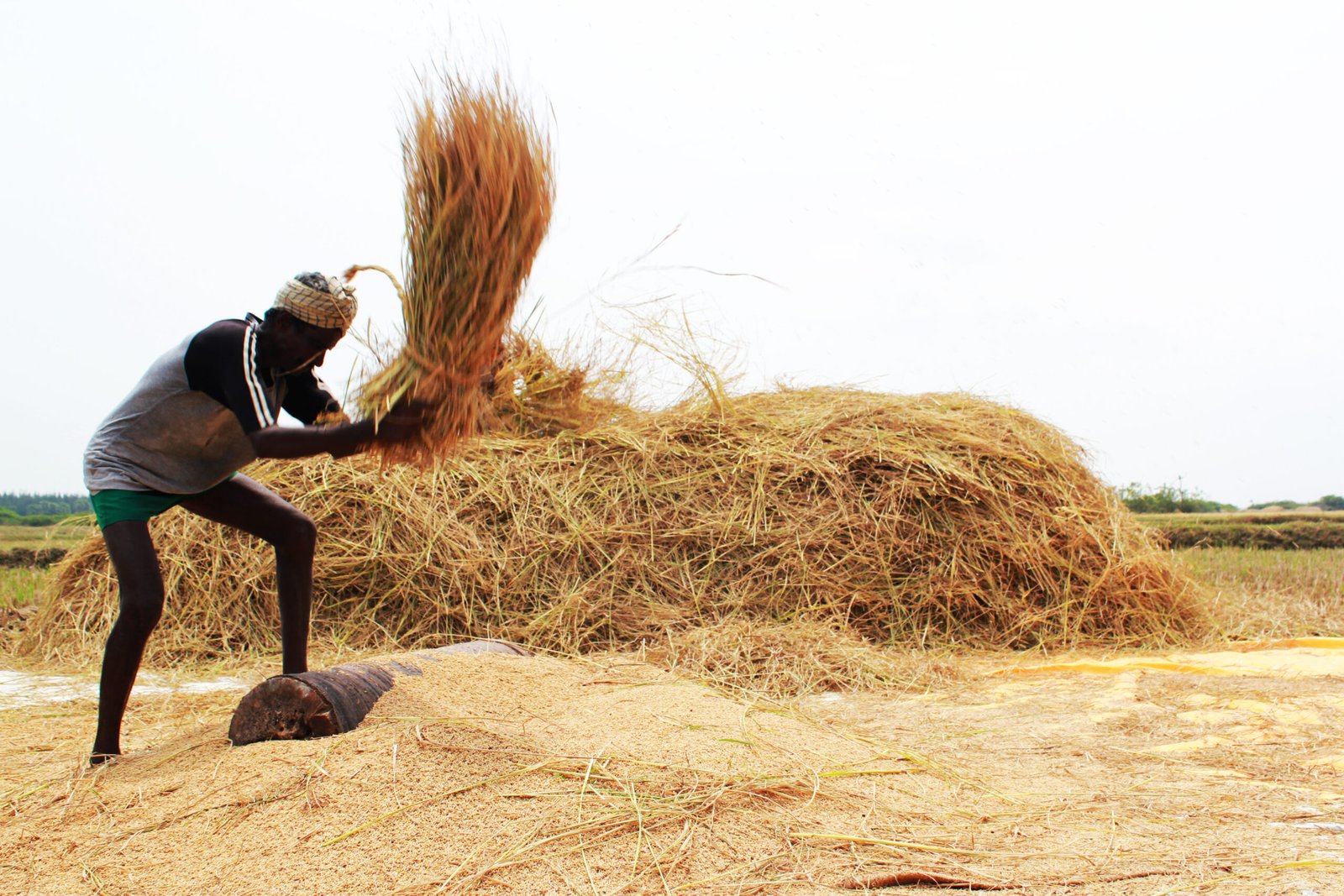
KCC Age Limit 2026: DOB Examples
Because the rule is stated in years rather than as one universal calendar-date cutoff, applicants near a birthday should verify their exact age and the bank’s documentation requirements.
Example 1: Applicant aged 18
Suppose an applicant has already completed 18 years on the date of application. The person satisfies the stated minimum age criterion, subject to the other KCC eligibility conditions.
Example 2: Applicant aged 17
A 17-year-old applicant does not meet the current MyScheme minimum age of 18 years.
Example 3: Applicant aged 40
A 40-year-old farmer is comfortably within the stated 18-to-75 age range. There is no special KCC age ceiling at 40.
Example 4: Applicant aged 60
A 60-year-old applicant remains within the stated maximum age. Because the applicant is a senior citizen, the legal-heir co-borrower requirement becomes important.
Example 5: Applicant aged 75
A 75-year-old applicant is at the upper age stated in the current MyScheme FAQ. The applicant should carefully check the bank’s exact age calculation and co-borrower/document requirements.
Example 6: Applicant aged 76
A 76-year-old applicant is above the maximum age stated in the current MyScheme KCC FAQ and therefore should not assume that a new KCC application will qualify under the stated age rule.
Senior Citizens and the Legal-Heir Co-Borrower Rule
One of the most important details in the current KCC FAQ is the senior-citizen condition. It says that if the applicant is a senior citizen, a co-borrower who is a legal heir is mandatory.
This requirement matters because KCC is a credit facility. The bank is not only checking age; it also needs to evaluate repayment and documentation. A senior farmer should therefore prepare for the possibility that the bank will ask for a suitable legal-heir co-borrower and supporting documents.
Before applying, an older applicant should ask the chosen bank:
- What proof is required to establish the relationship with the legal-heir co-borrower?
- Does the co-borrower need to meet a separate age or income condition?
- Which land or cultivation documents are required?
- What repayment period will apply to the proposed crop or investment?
- Is any collateral required for the requested credit limit?
These are bank-level implementation questions, so applicants should not rely on a generic online checklist when the bank requests additional documentation.
KCC Credit Limit and How It Is Decided
The KCC scheme does not use one universal loan amount for every farmer. The credit limit depends on the nature of cultivation, acreage, scale of finance, cropping pattern and eligible additional requirements.
The official KCC framework describes a first-year short-term limit based on the scale of finance for the crop multiplied by the cultivated area, with specified additions for post-harvest or household requirements, repairs and maintenance of farm assets, and insurance-related components. For later years, the limit can account for cost escalation and the estimated term-loan component.
For investment credit, the bank can consider the cost of the proposed asset or activity and the farmer’s repayment capacity, including existing obligations.
This is why two farmers of the same age may receive very different KCC limits.
2026 KCC Interest and Loan Limit Update
The Department of Financial Services’ KCC material for the Union Budget states that Kisan Credit Cards facilitate short-term loans for farmers, fishermen and dairy farmers and that the loan limit under the Modified Interest Subvention Scheme was to be enhanced from ₹3 lakh to ₹5 lakh.
The same government material also states that loans up to ₹2 lakh are extended without the need for collateral. The exact terms applicable to an individual application can depend on the lending institution, the type of facility and the applicable government and RBI instructions.
The MyScheme KCC page also describes government interest subvention and prompt repayment incentives for eligible KCC lending, with the page explaining a subsidized rate of 4% per annum under the stated conditions.
Applicants should therefore distinguish between the overall KCC facility and its sanctioned limit, the portion eligible for interest-subvention benefits, collateral requirements, bank-specific lending assessment, and the repayment terms for crop and term-loan components.
Who Can Apply for KCC?
| Category | Eligibility position |
|---|---|
| Owner cultivator | Eligible category under the scheme |
| Joint farmer borrowers | Eligible where the bank’s conditions are satisfied |
| Tenant farmer | Included in the official eligibility framework |
| Oral lessee | Included |
| Sharecropper | Included |
| SHG of farmers | Included |
| JLG of farmers | Included |
This broader eligibility design is important because many people assume KCC is only for landowners. The official scheme framework explicitly recognizes several non-owner cultivation arrangements.
Documents Commonly Required for KCC
The MyScheme KCC page lists documents and information that may be required during application. These include:
- Application form
- Passport-size photographs
- Identity proof such as Aadhaar, driving licence, voter ID or passport
- Address proof
- Certified proof of landholding, where applicable
- Cropping pattern and acreage
- Security documents where applicable
- Any other document required for sanction
The exact document list can vary with the applicant’s category and the bank’s credit assessment. Tenant farmers, sharecroppers and other non-owner cultivators should ask the lender what evidence of cultivation or tenancy it accepts.
How to Apply for a Kisan Credit Card
The MyScheme application guidance provides both online and offline routes.
Online route
- Visit the website of the bank where you want to apply.
- Select the Kisan Credit Card option.
- Choose the application option.
- Complete the requested details.
- Submit the application.
- Keep the application reference number for follow-up.
The MyScheme page says that, if eligible, the bank may contact the applicant for further processing within 3–4 working days. Actual processing can vary by bank and application complexity.
Offline route
A farmer can also approach a participating bank branch and request a KCC application. Carry identity, address, land or cultivation documents, photographs and any other documents relevant to the applicant category.
KCC Validity and Renewal
The MyScheme page states that the validity period of a Kisan Credit Card is 5 years, with the tenure depending on the activity.
The underlying KCC framework allows the bank to review the facility and adjust, continue or cancel the limit based on factors such as changes in cropping area or pattern and borrower performance. Therefore, the word “5 years” should not be interpreted as an unconditional promise that every borrower will receive the same five-year structure for every component.
Short-term crop credit and longer-term investment credit can also have different repayment arrangements.
KCC for Dairy, Fisheries and Allied Activities
KCC is not limited to crop cultivation. Government KCC materials describe coverage for allied activities such as dairy and fisheries, and the scheme also supports other farm-related working-capital and investment requirements.
This matters for applicants who earn from a combination of farming and allied activities. However, the exact credit limit, interest benefit and repayment terms can differ depending on the activity and the facility sanctioned by the bank.
KCC vs PM-KISAN: Do Not Mix Up the Two
Kisan Credit Card and PM-KISAN are different programmes.
PM-KISAN is an income-support scheme for eligible landholding farmer families. KCC is a banking credit facility designed to provide timely agricultural and allied-activity credit.
The age rules are therefore not interchangeable. Read our PM-KISAN age limit 2026 guide for the separate eligibility framework. The main PM-KISAN scheme does not prescribe a general minimum or maximum age rule for the farmer, while KCC has a stated 18-to-75 age range in the current MyScheme FAQ.
KCC vs PM Kisan Maandhan
KCC and PM Kisan Maandhan Yojana are also different.
PM-KMY is a contributory pension scheme for eligible small and marginal farmers with an entry-age range of 18 to 40 years. KCC is a credit facility, and its current MyScheme age range is 18 to 75 years.
For a detailed comparison of the separate pension scheme, see our PM Kisan Maandhan age limit 2026 guide.
Common KCC Age-Limit Mistakes
Mistake 1: Assuming KCC has an 18–40 rule
That age range belongs to several pension or social-security schemes, but it is not the current KCC age range shown by MyScheme.
Mistake 2: Assuming only landowners can apply
The official KCC framework also lists tenant farmers, oral lessees, sharecroppers, SHGs and JLGs.
Mistake 3: Assuming everyone aged 75 qualifies automatically
Age is only one criterion. The bank must still assess the applicant and the proposed credit.
Mistake 4: Ignoring the senior-citizen co-borrower condition
For senior citizens, the current MyScheme FAQ says a legal-heir co-borrower is mandatory.
Mistake 5: Treating the KCC limit as a fixed amount
The credit limit is assessed using factors such as crop, acreage, scale of finance, cropping pattern, investment needs and repayment capacity.
Mistake 6: Treating online information as a substitute for the bank’s sanction terms
KCC is implemented through lending institutions. The bank can require additional documents and can apply institution-specific procedures within the scheme framework.
Frequently Asked Questions
What is the minimum age for KCC in 2026?
The current MyScheme KCC FAQ states that the applicant should be at least 18 years old.
What is the maximum age for KCC in 2026?
The current MyScheme FAQ states a maximum age of 75 years.
Can a 60-year-old apply for KCC?
Yes, a 60-year-old is within the stated 18-to-75 age range. Because the applicant is a senior citizen, the current FAQ says a legal-heir co-borrower is mandatory.
Can a 75-year-old apply for KCC?
A 75-year-old is at the upper age stated by the current MyScheme FAQ. The applicant should also satisfy all other eligibility and bank-level lending requirements.
Can a 76-year-old get a new KCC?
A 76-year-old is above the maximum age stated in the current MyScheme FAQ, so the applicant should not assume eligibility for a new KCC under that age rule.
Can tenant farmers apply for KCC?
Yes. Tenant farmers are included in the official KCC eligibility framework, along with oral lessees and sharecroppers.
Is KCC only for crop loans?
No. The scheme covers crop cultivation, post-harvest expenses, marketing loans, certain household consumption needs, working capital for farm assets and allied activities, and investment credit for agriculture and allied activities.
Is there a fixed KCC loan amount for every farmer?
No. The sanctioned limit depends on factors such as crop, area, scale of finance, cropping pattern, investment requirements and repayment capacity.
How long is a KCC valid?
The current MyScheme page says the validity period is 5 years, while the actual facility and its review depend on the activity and bank assessment.
Can KCC be used for dairy or fisheries?
Yes. Government KCC materials include allied activities such as animal husbandry and fisheries within the broader credit framework, subject to applicable conditions.
Where should I apply for KCC?
You can apply through a participating bank. The MyScheme page provides an online route through the bank’s website and an offline route through the bank.
Kisan Credit Card Age Limit 2026: Quick Checklist
- You are at least 18 years old.
- You are not above the stated maximum age of 75.
- If you are a senior citizen, arrange the required legal-heir co-borrower.
- Confirm your farmer category: owner cultivator, tenant, oral lessee, sharecropper or eligible group.
- Keep identity and address documents ready.
- Keep landholding or cultivation evidence ready as applicable.
- Prepare crop and acreage details.
- Ask the bank about the expected credit limit and repayment structure.
- Confirm which interest-subvention or prompt-repayment benefits apply to your facility.
- Ask whether collateral or additional security is required.
- Keep the application reference number after online submission.
Final Answer: KCC Age Limit in 2026
The current official MyScheme guidance gives the Kisan Credit Card age limit as 18 to 75 years. A senior citizen can be subject to the additional requirement of a legal-heir co-borrower. But age is not the whole eligibility test: KCC also covers different categories of farmers and farmer groups, and the bank assesses documents, cultivation or activity, credit needs and repayment capacity before sanction.
If you are checking eligibility from your date of birth, first establish whether you have completed 18 years and whether you are within the stated maximum of 75 years. Then check your farmer category and the documents required by the bank.
For related government-scheme age rules, you can also read the site’s PM-KISAN guide and PM Kisan Maandhan guide.