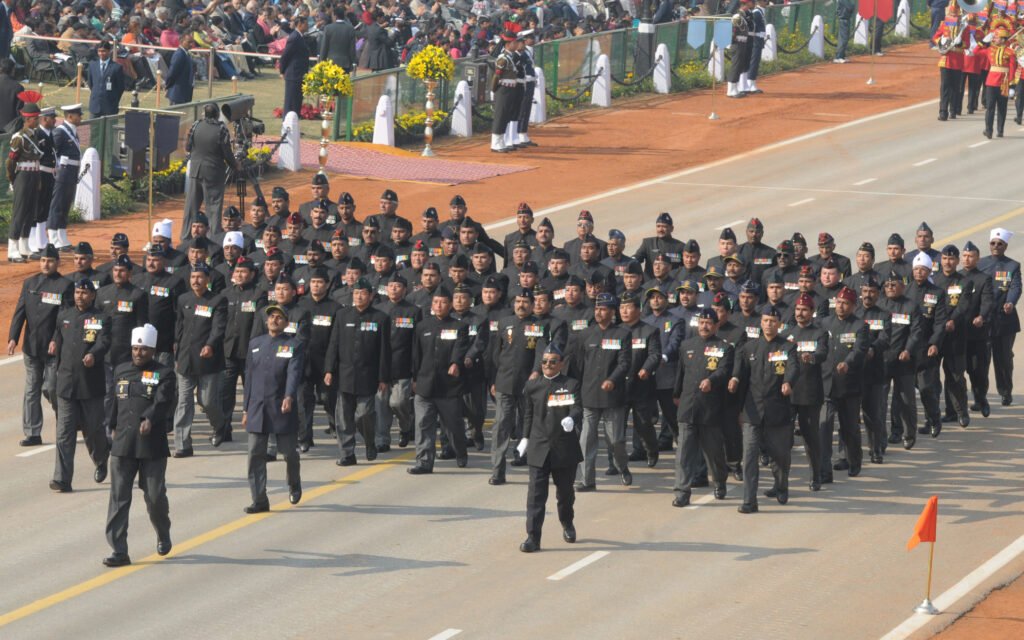
Ex-servicemen age relaxation in government jobs 2026 can make a major difference when a candidate is above the ordinary upper-age limit. The key point is that the concession is often not a simple fixed number of extra years. In a current Staff Selection Commission (SSC) 2026 example, eligible Ex-Servicemen (ESM) get 3 years of relaxation after deduction of the military service rendered from the actual age on the relevant cutoff date. The exact recruitment notification remains the controlling document.
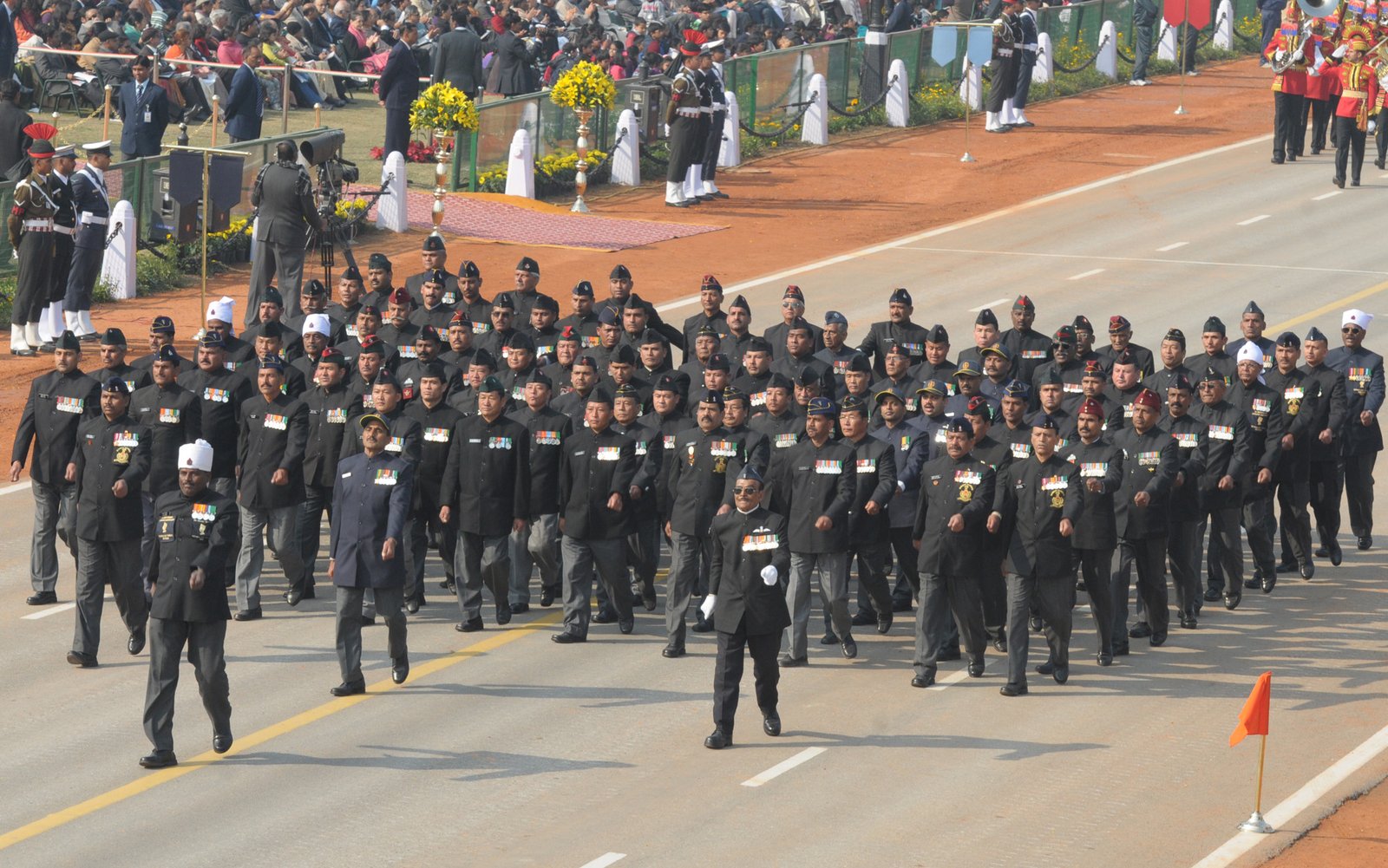
This guide explains the 2026 Central Government pattern, how to calculate the effective age for ESM candidates, what the Military Nursing Service amendment changes, how reservation differs from age relaxation, and which documents and cutoff rules should be checked before an application is submitted.
Ex-Servicemen Age Relaxation in Government Jobs 2026: Quick Answer
For a current SSC 2026 recruitment example, the upper-age relaxation for Ex-Servicemen (ESM) is 3 years after deduction of the military service rendered from the candidate’s actual age as on the prescribed date of age reckoning. SSC also separately lists relaxations for SC/ST, OBC and PwBD categories. urlSSC Phase XIV 2026 official noticehttps://ssc.gov.in/api/attachment/uploads/masterData/NoticeBoards/Notice_of_RHQ_2026_phase_xiv.pdf
| Category | 2026 SSC example | How to interpret it |
|---|---|---|
| SC/ST | 5 years | Fixed relaxation beyond the upper age limit |
| OBC | 3 years | Fixed relaxation beyond the upper age limit |
| PwBD | 10 years | Subject to PwBD conditions and post suitability |
| Ex-Servicemen | 3 years after military-service deduction | Deduct military service from actual age, then apply the 3-year concession |
| Defence personnel disabled in operations | 3 years | Special category with separate conditions |
What Does Ex-Servicemen Age Relaxation Mean?
For eligible ESM candidates, the age test is designed differently from a straightforward “upper age plus three years” calculation. The SSC 2026 notice states that the military service rendered is deducted from the candidate’s actual age on the date of reckoning, and the permissible relaxation is then 3 years beyond the upper age limit. That formula is important because two candidates of the same chronological age can have different effective ages if their periods of military service differ.
Do not replace this formula with a generic age-relaxation chart. Different recruiting bodies and different posts can prescribe their own conditions. Always read the ESM row in the notification for the exact recruitment you are applying for.
How to Calculate ESM Age Relaxation
A practical calculation has three stages:
- Find the normal upper-age limit for the exact post.
- Calculate the candidate’s actual age on the notification’s prescribed cutoff date.
- Deduct the eligible military service from that actual age, then apply the permitted ESM relaxation according to the notice.
The wording matters. The SSC rule is not the same as simply saying that every ESM candidate can become three calendar years older than the ordinary maximum. The military-service deduction is part of the formula.
Worked Example: 3 Years of Military Service
Suppose a post has a normal upper age of 30 years. Assume an ESM candidate is 36 years old on the relevant cutoff date and has 3 years of eligible military service.
| Step | Calculation |
|---|---|
| Actual age | 36 years |
| Military service deduction | 3 years |
| Age after deduction | 33 years |
| ESM concession | 3 years |
| Illustrative comparison | 33 years is compared with the permitted ceiling under the applicable rule |
This example is intended to show the sequence, not to create a universal entitlement. The recruitment notice may contain additional eligibility conditions, and the precise treatment of service periods must follow the applicable ESM rules.
Worked Example: Why the Military-Service Deduction Matters
Imagine two applicants are both 35 years old on the cutoff date. Candidate A has 2 years of eligible military service, while Candidate B has 7 years. Under a rule using actual age minus military service, their effective ages before the additional concession are different: 33 and 28 respectively. This is why an ESM candidate should record the exact service period rather than relying only on the date of birth.
What Is the 2026 Military Nursing Service Change?
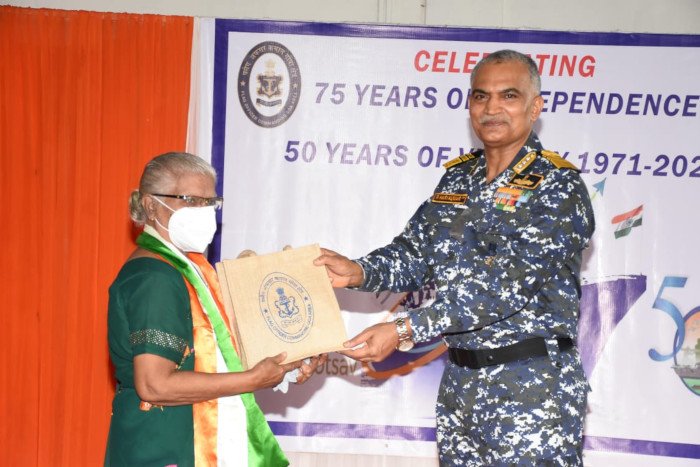
A significant 2026 development is the amendment to the Ex-servicemen (Re-employment in Central Civil Services and Posts) Rules. The Ministry of Defence announced that the amended definition expressly includes personnel who served in any rank, combatant or non-combatant, in the Regular Army, Navy or Air Force, as well as the Military Nursing Service (MNS) of the Indian Union. The amendment came into force on 9 February 2026. urlPIB: Ex-servicemen Re-employment Amendment Rules 2026https://www.pib.gov.in/PressReleaseIframePage.aspx?PRID=2225786&lang=2®=48
The government release says the amendment provides MNS personnel access to the re-employment framework, including the stated age-relaxation approach of deducting military service plus 3 years from actual age for civil-job eligibility. It also states 10% reservation in Group C and 20% in Group D Central Government posts within that framework. Candidates should still read the actual recruitment notice and the applicable rules for the post.
Age Relaxation vs ESM Reservation
Age relaxation and reservation answer different questions. Age relaxation determines whether an applicant can satisfy the upper-age condition. Reservation determines whether vacancies are earmarked for eligible ESM candidates within the recruitment framework.
The Department of Ex-Servicemen Welfare has stated that reservation for ex-servicemen in Central Government employment is governed by the Ex-servicemen (Re-employment in Central Civil Services and Posts) Rules, 1979. A government explanation published by the Press Information Bureau states that reservation includes 10% in direct-recruitment Group C posts and 20% in direct-recruitment Group D posts, while 10% applies to direct recruitment posts up to Assistant Commandant in CAPFs. urlPIB: Jobs Reserved for Ex-Servicemenhttps://www.pib.gov.in/Pressreleaseshare.aspx?PRID=1843763&lang=2®=48
These figures should not be confused with the separate age-relaxation formula. A candidate can be age-eligible but still fail another requirement, or may meet a reservation condition but not the age rule for a particular post.
What Counts as Military Service for the Age Calculation?
The exact service period to be counted should be established from the candidate’s service records and the rule applicable to the recruitment. SSC’s 2026 notice also states that the period of “Call up Service” of an Ex-serviceman in the Armed Forces is treated as service rendered in the Armed Forces for the purpose of age relaxation under the rules. urlSSC Phase XIV 2026 noticehttps://ssc.gov.in/api/attachment/uploads/masterData/NoticeBoards/Notice_of_RHQ_2026_phase_xiv.pdf
Because service status and qualifying service can be document-sensitive, candidates should not estimate this period from memory if their discharge papers or service records are available.
Which Date Is Used to Determine Age?
The relevant date is the age-reckoning or cutoff date stated in the recruitment notice. For example, SSC’s 2026 notices specify a crucial date and then use the candidate’s date of birth recorded in the Matriculation/Secondary Examination Certificate or equivalent certificate to determine age eligibility. urlSSC CHSL 2026 official noticehttps://ssc.gov.in/api/attachment/uploads/masterData/NoticeBoards/Notice_of_adv_cht_2026.pdf
Therefore, do not calculate ESM eligibility using today’s age unless today’s date is also the prescribed cutoff. A candidate near the upper boundary can move from eligible to ineligible depending on the exact date and the accepted date-of-birth document.
Documents ESM Candidates Should Check
- Date-of-birth proof accepted by the recruiting authority, normally the prescribed school or equivalent certificate.
- Discharge book, service certificate or other prescribed proof of military service.
- ESM identity or status documentation where the notification requires it.
- Category certificate if claiming an additional category benefit such as SC/ST or OBC.
- Any recruitment-specific certificate or undertaking required for the ESM claim.
Never assume that an old certificate format will automatically be accepted. Read the document requirements in the current notice and use the authority’s prescribed format where one is specified.
Can ESM Age Relaxation Combine with Other Categories?
Potentially, but the answer depends on the exact recruitment rules. Candidates should not add every number in an age-relaxation table together. A notice may define a special combined treatment, or it may restrict which concessions can be claimed simultaneously.
The safest approach is to locate the ESM paragraph and any “combined age relaxation” or “other concessions” provision in the same notification. If the notice does not clearly permit stacking, do not create a larger upper-age entitlement by adding unrelated figures from different recruitment notices.
Central Government vs State Government ESM Rules
Central Government recruitment rules should not be copied into State Government recruitment. State governments can prescribe their own ESM reservation and age conditions. For example, a recent Assam policy change reported in September 2026 raised the upper age limit for ex-servicemen applying for state government jobs from 42 to 45 years. citeturn1news12 This illustrates why the authority conducting the recruitment matters.
For Central Government posts, start with the current recruitment notification and the applicable Central rules. For State posts, use the State commission or department’s own notice and service rules.
Where Ex-Servicemen Can Find Employment Support
The Department of Ex-Servicemen Welfare’s Directorate General Resettlement (DGR) is the government’s specialist organisation for resettlement and welfare of ex-servicemen. The DGR describes its role as supporting second-career opportunities through training, structured employment opportunities and entrepreneurship or self-employment initiatives. urlDepartment of Ex-Servicemen Welfare: DGRhttps://www.desw.gov.in/about-dgr
The National Career Service also provides a dedicated “Jobs for Ex-Servicemen” pathway and warns jobseekers that NCS services are free. urlNational Career Servicehttps://ncs.gov.in/
What ESM Candidates Should Know About Re-Employment Rules
The ESM framework is broader than a single age concession. Central rules connect re-employment with the definition of an Ex-Serviceman, reservation arrangements and the conditions under which a former member of the Armed Forces can claim the benefit. That is why the status question should be settled before the arithmetic question. A candidate should first confirm that the recruitment treats them as an eligible ESM, then determine the service period that can be counted, and only then calculate age.
The 2026 amendment concerning Military Nursing Service is a useful reminder that these definitions can change. It is therefore sensible to check the current rules when a recruitment notice is released instead of relying on an older explanation saved from a previous examination cycle. The same caution applies to reservation percentages, excluded posts, certificate formats and any special conditions for particular departments.
When Can a Retired Service Member Claim ESM Benefits?
Retirement or discharge from the Armed Forces does not, by itself, answer every ESM eligibility question. The recruitment rules determine which former service personnel qualify and what proof is required. This is particularly important for candidates whose service ended under a special circumstance, whose service records contain multiple periods, or whose status depends on a particular statutory definition.
For a Central Government application, check the ESM definition used by the recruitment and compare it with the service documents you hold. If the notification asks for a particular discharge or service certificate, use that document rather than relying on an identity card alone. If the recruitment provides a separate ESM category code, select it only when the supporting conditions are satisfied.
This check is especially useful when rules have been amended. The 2026 Military Nursing Service amendment demonstrates that the scope of the re-employment framework can be clarified or expanded by a formal rule change. A candidate should therefore treat the current notification and current statutory definition as more important than an older coaching-site chart.
Common Mistakes in ESM Age Calculations
- Adding three years directly to the normal maximum: the SSC-style ESM formula involves deduction of military service from actual age.
- Using the application date instead of the cutoff date: the notice determines the relevant date.
- Guessing the service period: use official service records.
- Confusing reservation with age relaxation: they are separate eligibility mechanisms.
- Stacking concessions automatically: combined benefits must be supported by the applicable rules.
- Ignoring post-specific rules: different posts can have different base age limits and conditions.
- Using a state rule for a Central recruitment: always identify the recruiting authority first.
How to Check Your Exact ESM Eligibility
- Open the official recruitment notification.
- Identify the exact post and normal upper-age limit.
- Record the prescribed age-reckoning date.
- Calculate your actual age on that date.
- Confirm your qualifying military-service period from official records.
- Apply the ESM age-relaxation formula stated in that recruitment.
- Check whether any additional category or special concession is permitted.
- Verify the required ESM and date-of-birth documents.
- Check qualification, experience, medical and post-specific requirements separately.
- Use an age calculator for arithmetic if helpful, but treat the recruitment notification as the final eligibility authority.
ESM Age Relaxation Checklist for 2026
| Check | Question | Why it matters |
|---|---|---|
| Post | Which exact post am I applying for? | Upper-age limits can differ by post. |
| Cutoff | What is the age-reckoning date? | Actual age is tested on the prescribed date. |
| Service | How much qualifying military service do I have? | It can form part of the ESM calculation. |
| Formula | What ESM formula does the notice prescribe? | Do not assume every recruitment uses the same method. |
| Documents | Do I have accepted ESM and DOB proof? | Claims normally require documentary support. |
| Other category | Can another category concession be claimed? | Combined concessions depend on the rules. |
| Post conditions | Do I meet qualification and other requirements? | Age eligibility alone is not sufficient. |
FAQ: Ex-Servicemen Age Relaxation in Government Jobs 2026
Final Takeaway
Ex-servicemen age relaxation in government jobs 2026 should be calculated from the exact recruitment rule, not from a generic “extra three years” shortcut. The current SSC example uses a 3-year concession after deduction of military service from actual age, while the 2026 Central Government amendment also expanded the express re-employment definition to include Military Nursing Service personnel.
Before applying, identify the post, cutoff date, normal age limit, qualifying service period, ESM formula and documentary requirements. Then verify any other category concession separately. A Government Job Age Calculator can help with the arithmetic, but the official recruitment notification and applicable rules remain the final authority.
Sources
- SSC Phase XIV 2026 official notice — ESM age-relaxation formula and age/DOB rules.
- PIB, Ministry of Defence — Ex-servicemen Re-employment Amendment Rules 2026.
- PIB, Ministry of Defence — Central Government reservation information for Ex-Servicemen.
- Department of Ex-Servicemen Welfare — Directorate General Resettlement.
- National Career Service — Jobs for Ex-Servicemen and employment-service guidance.
- Wikimedia Commons — source and licensing information for the two article images.