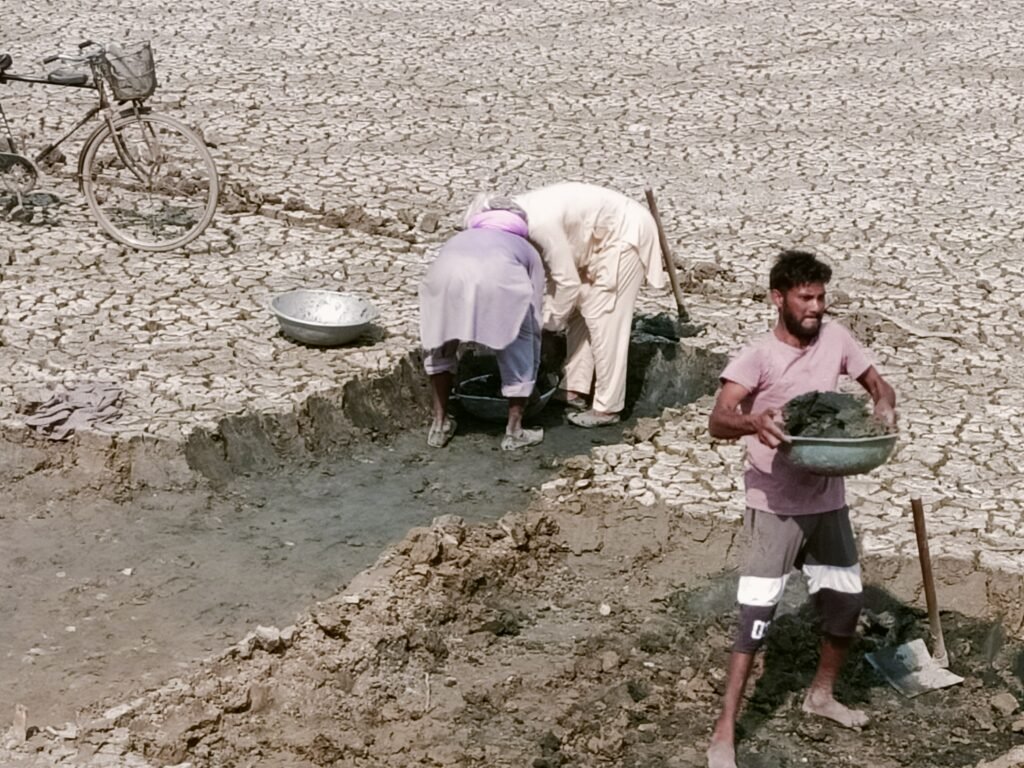
If you are searching for the VB-G RAM G age limit in India 2026, the key rule is straightforward: an “adult” for the scheme is a person who has completed 18 years of age. The current rural employment law, the Viksit Bharat—Guarantee for Rozgar And Ajeevika Mission (Gramin): VB—G Ram G Act, 2025, came into force across rural India from 1 July 2026 and provides a statutory guarantee of 125 days of wage employment in a financial year to eligible rural households whose adult members volunteer to do unskilled manual work.
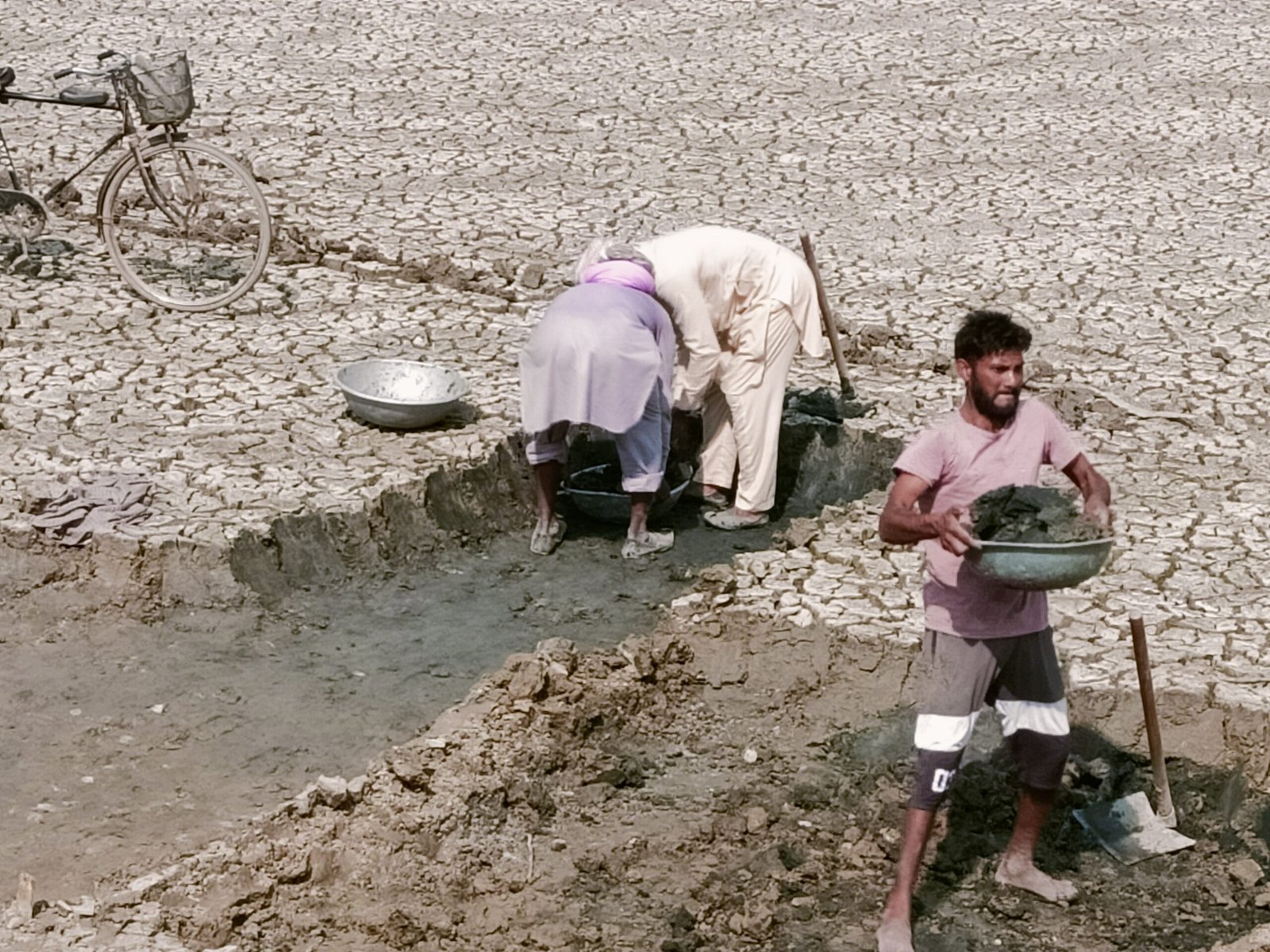
This is also an important 2026 update for people who still search for the MGNREGA age limit. MGNREGA was repealed with effect from 1 July 2026 and replaced by the VB-G RAM G framework. The new law keeps the adult threshold at 18 years while changing the guaranteed employment period from 100 days to 125 days.
Table of Contents
- Quick answer: VB-G RAM G age limit 2026
- What is the current rural employment law in 2026?
- Who is an adult under VB-G RAM G?
- Why is 18 years the minimum age?
- Can a person below 18 get VB-G RAM G work?
- Is there a maximum age limit?
- How the household eligibility rule works
- Who can be included on the job card?
- How the 125-day employment guarantee works
- How date of birth affects eligibility
- Age examples for 2026
- Age and identity documents
- MGNREGA vs VB-G RAM G in 2026
- Frequently asked questions
- Official sources
Quick Answer: VB-G RAM G Age Limit 2026
| Question | 2026 rule |
|---|---|
| Minimum age to be an adult worker | 18 years completed |
| Can someone below 18 be an adult applicant? | No. The Act defines “adult” as a person who has completed the eighteenth year of age. |
| Maximum age | The Act’s adult definition does not set a general upper age limit. |
| Employment guarantee | 125 days in a financial year for an eligible rural household, subject to the Act and scheme conditions. |
| Work type | Unskilled manual work under the notified rural employment scheme. |
So, if you are asking “Can a 17-year-old get work under VB-G RAM G?”, the statutory adult definition does not include a 17-year-old. If you are asking “Can a person aged 60, 65 or older work?”, there is no general upper age cutoff in the adult definition. Other eligibility, suitability, worksite and scheme conditions can still matter.
What Is the Current Rural Employment Law in 2026?
As of 18 September 2026, the current central rural employment framework is the VB-G RAM G Act, 2025. India Code records the Act as Act No. 36 of 2025. The Act establishes a statutory guarantee of 125 days of wage employment in each financial year for every rural household whose adult members volunteer to undertake unskilled manual work.
The Ministry of Rural Development announced that the Act came into force throughout rural areas of India from 1 July 2026. The Ministry also states that the earlier Mahatma Gandhi National Rural Employment Guarantee Act, 2005 was repealed from that date.
That change is important when reading older websites, forms or articles. Material referring to a 100-day MGNREGA guarantee may describe the earlier framework rather than the current 2026 law.
Who Is an Adult Under VB-G RAM G?
Section 2 of the VB-G RAM G Act defines “adult” as a person who has completed the eighteenth year of age. The same section defines an applicant as the head of a household or any of its other adult members who has applied for employment under the scheme.
This means the age test is based on completed age, not simply the year of birth. Someone becomes an adult for this Act on the date they complete 18 years.
- Below 18: not an “adult” under the Act.
- 18 completed: falls within the adult definition.
- Above 18: remains within the adult definition; the Act does not create a general upper-age cutoff in Section 2(a).
Why Is 18 Years the Minimum Age?
The age threshold comes directly from the statutory definition. VB-G RAM G is framed around employment of adult members of rural households who volunteer to undertake unskilled manual work. Because “adult” is defined as someone who has completed 18 years, a person below 18 does not qualify as an adult worker under this Act.
This should not be confused with every other age-related employment rule in India. Different laws can define children, adolescents and adults differently for their own purposes. The 18-year threshold discussed here is specifically the definition used by the VB-G RAM G Act.
Can a Person Below 18 Get VB-G RAM G Work?
The statutory employment guarantee is for rural households whose adult members volunteer to undertake unskilled manual work. Since the Act defines adult as a person who has completed 18 years, a person below 18 cannot be the adult applicant or adult worker under this guarantee.
A household can contain children or adolescents and still qualify through its adult members, where the household and other scheme requirements are satisfied. The presence of a minor in the household does not turn the minor into an eligible adult worker.
For questions involving employment of people below 18 generally, do not rely on the VB-G RAM G age rule alone. Other child and adolescent labour laws may apply depending on the work and circumstances.
Is There a Maximum Age Limit?
The VB-G RAM G Act’s definition of adult sets a minimum completed age of 18, but it does not state a general maximum age in that definition. Therefore, there is no simple “stop at 60” or “stop at 65” rule in Section 2(a).
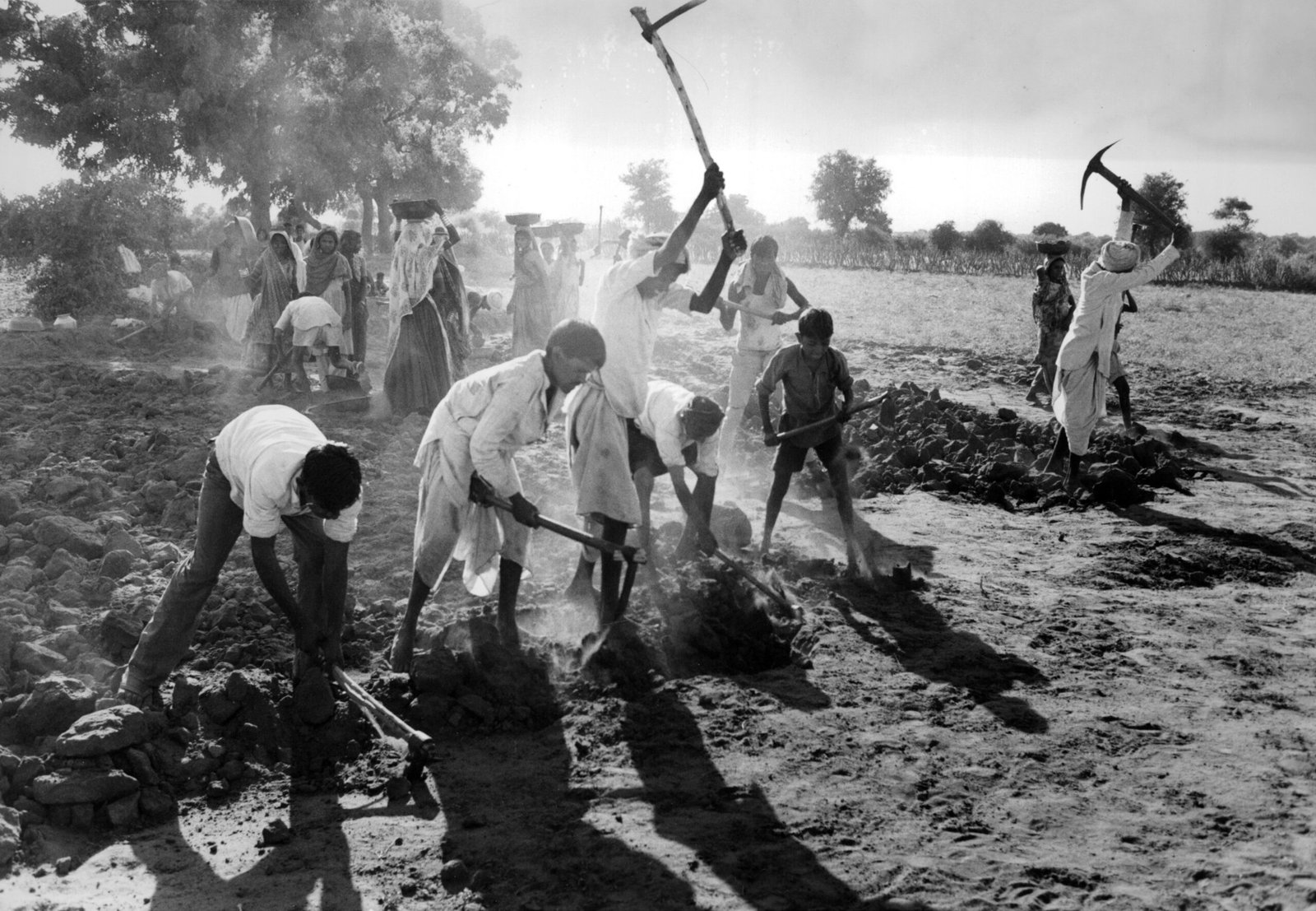
The Act also expressly contemplates participation by groups such as women, elderly persons and persons with disabilities through special schedules of rates and suitable categories of work. That reinforces the point that advanced age by itself is not presented as a blanket disqualification. Actual work allocation can still depend on the scheme, worksite requirements and the person’s ability to undertake the work safely.
How the Household Eligibility Rule Works
VB-G RAM G is a household-based employment guarantee. The Act defines a household as members of a family related by blood, marriage or adoption who normally reside together and share meals or hold a common ration card.
The guarantee is not written as an individual government job with a separate fixed number of days for every adult. Instead, the statutory guarantee is linked to an eligible rural household whose adult members volunteer to undertake unskilled manual work.
This distinction matters when people ask whether every adult in a family automatically receives 125 days personally. The statutory wording describes a household guarantee, with adult members volunteering for work, rather than promising 125 days to each individual adult irrespective of demand and scheme conditions.
Who Can Be Included on the Job Card?
The employment registration framework records the adult members of the household who are eligible to seek work. The applicable schedule provides for household registration and a job card containing details of registered adult members, along with other information required by the scheme.
- The household must fall within the rural-area framework of the scheme.
- The relevant person must meet the Act’s adult definition: 18 years completed.
- The adult member must be willing to undertake eligible unskilled manual work.
- The household must follow the registration and job-card process applicable under the current scheme.
Current digital services also allow workers to access job-card, work-allocation, employment and complaint information through the government rural employment system.
How the 125-Day Employment Guarantee Works
One of the biggest 2026 changes is the number of guaranteed days. The VB-G RAM G Act provides 125 days of wage employment in a financial year to every eligible rural household whose adult members volunteer to undertake unskilled manual work.
This replaced the earlier MGNREGA framework’s 100-day guarantee. The Ministry of Rural Development confirmed that the new Act began nationwide implementation on 1 July 2026.
The guarantee should not be interpreted as a promise that every adult automatically receives 125 paid days without making a demand for work. The law operates through the rural employment scheme, household registration, demand for work, work allocation and the other conditions prescribed under the Act and applicable scheme.
How Date of Birth Affects Eligibility
Because the Act uses “completed the eighteenth year of age,” the exact date of birth can matter when someone is close to 18.
For example, a person born on 18 September 2008 completes 18 years on 18 September 2026. A person born on 19 September 2008 is still 17 on 18 September 2026 and has not yet completed 18 years.
For a quick age calculation, use our Age Calculator. For the broader legal meaning of turning 18 in India, see Age of Majority in India 2026.
Age Examples for 2026
| Date of birth | Age on 18 September 2026 | VB-G RAM G adult definition |
|---|---|---|
| 18 September 2009 | 17 years | Not an adult under the Act |
| 19 September 2008 | 17 years, 364 days | Not yet an adult under the Act |
| 18 September 2008 | 18 years completed | Adult under the Act |
| 18 September 1966 | 60 years completed | Still an adult; no general upper age cutoff in Section 2(a) |
| 18 September 1956 | 70 years completed | Still an adult; other worksite and suitability conditions may matter |
These examples illustrate the age definition only. They do not by themselves establish that a particular person or household is eligible for work, because rural-area, household, registration, demand and scheme conditions must also be satisfied.
Age and Identity Documents
When a person’s age is relevant to registration or identity verification, the implementing authorities may require the documents or electronic records prescribed under the current scheme. The VB-G RAM G framework also includes provisions concerning identity authentication and Aadhaar-related processes.
Keep the person’s date of birth consistent across official records. If the date of birth in a job-card record differs from the birth certificate or another authoritative record, the correction or verification process should be handled through the relevant authority rather than by simply assuming which date will be accepted.
For background on birth records and date-of-birth verification in India, see our Birth Certificate in India 2026 guide.
MGNREGA vs VB-G RAM G in 2026
| Feature | Earlier MGNREGA | Current VB-G RAM G |
|---|---|---|
| Status in 2026 | Repealed from 1 July 2026 | Current framework from 1 July 2026 |
| Adult definition | Completed 18 years | Completed 18 years |
| Employment guarantee | 100 days | 125 days |
| Work | Unskilled manual work | Unskilled manual work |
| Basic unit | Eligible rural household | Eligible rural household |
The important SEO-era confusion is that many people still type “MGNREGA age limit 2026” into search engines. The answer should now be updated: for current work under the replacement framework, the relevant statute is VB-G RAM G, and its adult definition remains 18 years completed.
Frequently Asked Questions
What is the VB-G RAM G age limit in 2026?
The minimum age to fall within the Act’s definition of an adult is 18 years completed. The Act does not set a general maximum age in that definition.
Can a 17-year-old work under VB-G RAM G?
No. A 17-year-old has not completed 18 years and therefore is not an “adult” under the Act’s definition for this employment guarantee.
Can a 60-year-old get VB-G RAM G work?
There is no general upper age cutoff in the Act’s definition of adult. A person aged 60 remains an adult, although household eligibility, registration, demand for work and the suitability of available work still apply.
Can a 65-year-old apply for rural employment?
Age 65 by itself does not remove a person from the Act’s adult category. The relevant question is whether the person and household meet the current scheme requirements and whether the person undertakes eligible work under the applicable conditions.
Is MGNREGA still the current law in September 2026?
No. The Government states that the VB-G RAM G Act came into force from 1 July 2026 and that MGNREGA was repealed from the same date. Older MGNREGA material may still be useful for historical information, but current eligibility should be checked under the VB-G RAM G framework.
How many days of work are guaranteed in 2026?
The current VB-G RAM G Act provides a statutory guarantee of 125 days of wage employment in a financial year to each eligible rural household whose adult members volunteer to undertake unskilled manual work.
Does every adult automatically get 125 days?
No. The statutory guarantee is expressed for an eligible rural household whose adult members volunteer for unskilled manual work. Registration, demand, work allocation and other scheme conditions remain relevant.
Does the exact date of birth matter?
Yes. The Act uses completed age. A person reaches the 18-year threshold on the date they complete 18 years, so the exact date of birth matters around the eligibility boundary.
Official Sources
- India Code — VB-G RAM G Act, 2025
- PIB — VB-G RAM G Act Frequently Asked Questions
- PIB / Ministry of Rural Development — Funds under VB-G RAM G
- Official rural employment portal
Final Takeaway
The VB-G RAM G age limit in India 2026 starts at 18 years completed because the Act defines an adult as a person who has completed the eighteenth year of age. There is no general maximum age stated in that definition. The current framework began nationwide on 1 July 2026, replacing MGNREGA and increasing the statutory rural household employment guarantee from 100 days to 125 days.
If you are checking eligibility for a real household or worker, use the person’s exact date of birth and the current VB-G RAM G scheme requirements rather than relying on older MGNREGA information.
Last reviewed: 18 September 2026.