
Wondering whether you are old enough to donate blood in India? For whole-blood donation, the current Government of India donor-selection criteria set the general age range at 18 to 65 years. There is one important extra rule: a first-time whole-blood donor should not be over 60, while the upper age limit for a repeat donor is 65. For apheresis donation, the stated age range is 18 to 60 years.
Age is only one part of the eligibility check. The eRaktKosh service also lists a minimum weight of 45 kg and says the donor should be fit and healthy. Before donation, the blood centre checks health history and performs a basic screening that includes pulse, temperature, blood pressure and haemoglobin. The final decision is made through the donor-selection process at the blood centre.
Blood Donation Age Limit in India 2026: Quick Answer
The simplest way to read the current age rules is to separate whole blood from apheresis and to distinguish a first-time donor from a repeat donor.
| Donation type or situation | Age rule | Other key point |
|---|---|---|
| Whole-blood donor | 18–65 years | Must also pass donor screening |
| First-time whole-blood donor | 18–60 years | Current DGHS/NBTC criteria set a first-time upper limit of 60 |
| Repeat whole-blood donor | 18–65 years | Upper limit extends to 65 for repeat donors |
| Apheresis donor | 18–60 years | Additional criteria apply to the procedure |
| Minimum weight for whole-blood donation | 45 kg | Collection volume depends on donor weight |
| Minimum haemoglobin for whole-blood donation | 12.5 g/dL | Measured as part of pre-donation screening |
| Donation interval listed by eRaktKosh | 90 days for male donors; 120 days for female donors | Always follow the blood centre’s current screening decision |
These are the published general criteria, not a guarantee that every person in the age range will be accepted on a particular day. A donor can be temporarily or permanently deferred when a health, history, laboratory or other selection criterion is not satisfied.
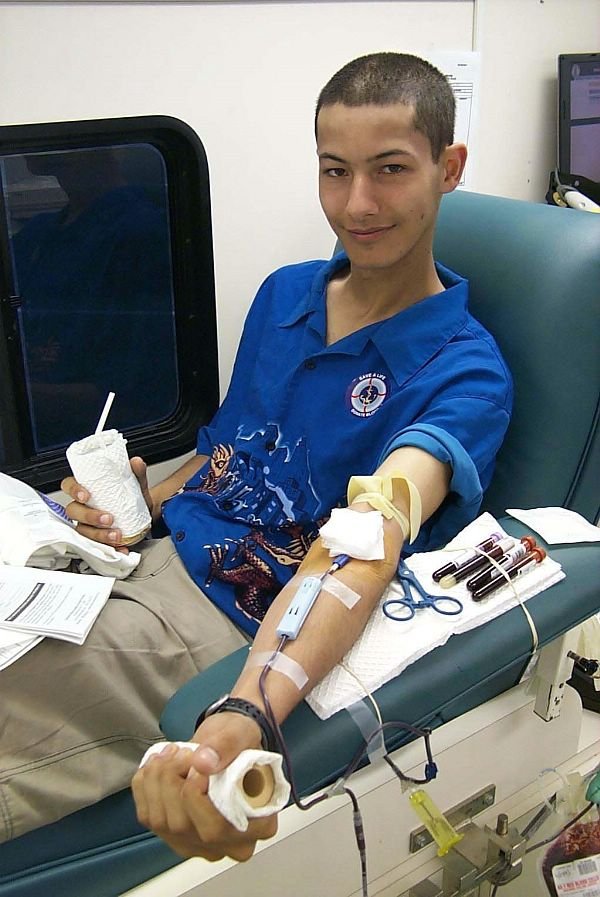
What Is the Maximum Age to Donate Blood in India?
For whole-blood donation, the current donor-selection table published by the Directorate General of Health Services (DGHS) gives a maximum age of 65 years. The same table says a first-time donor should not be over 60, while the upper age limit is 65 for repeat donors. It separately lists 18–60 years for apheresis donors.
This distinction matters for readers who have seen older pages quoting 60 as the general maximum age. The older wording still appears in parts of the 2023 technical manual because that edition reproduces the earlier criteria. The newer DGHS voluntary-blood-donation guidance records that the criteria were further revised by the Technical Resource Group of the Blood Transfusion Services division and approved by the National Blood Transfusion Council in December 2024. For a 2026 article, the later approved criteria are the more relevant reference.
So, if you are asking, “Can a 63-year-old donate blood?” the answer is not automatically no. A 63-year-old may fall within the published upper age limit for a repeat whole-blood donor, but acceptance still depends on the full donor-selection process and the person’s health status.
What Is the Minimum Age to Donate Blood in India?
The minimum age for whole-blood donation is 18 years. The current eRaktKosh donor information also starts its general age range at 18, and its donor-registration system does not accept an age below 18.
If you are close to your eighteenth birthday, use the exact date of birth rather than the birth year. Someone who is “turning 18 this month” may still be under 18 on the day they plan to donate. Blood donation is an age-sensitive eligibility decision, so the exact date can matter at the boundary.
First-Time Donor vs Repeat Donor: Why the Upper Age Is Different
One of the easiest details to miss in the current criteria is the difference between a first-time donor and a repeat donor.
- First-time whole-blood donor: The current criterion says the donor should not be over 60 years of age.
- Repeat whole-blood donor: The upper age limit is 65 years.
- Apheresis donor: The stated age range is 18–60 years, with additional procedure-specific requirements.
That means “maximum blood donation age is 60” is too broad as a 2026 explanation. It leaves out the current upper-age provision for repeat whole-blood donors.
Whole Blood vs Apheresis: The Age Rules Are Not the Same
Whole-blood donation and apheresis donation are different collection processes, and the current donor criteria use different age ranges.
Whole-blood donation
In whole-blood donation, blood is collected into a blood bag. The current general age range is 18–65 years, with the first-time donor upper limit at 60 and the repeat-donor upper limit at 65. Weight, haemoglobin and health screening also apply.
Apheresis donation
Apheresis uses a device to collect a particular blood component while other components can be returned to the donor, depending on the procedure. The current DGHS guidance lists an age range of 18–60 years for apheresis donors and adds further conditions, such as minimum weight and procedure-specific screening.
If you are specifically planning plateletpheresis or plasmapheresis, do not apply the whole-blood 18–65 rule to yourself automatically. Check the current apheresis criteria used by the blood centre.
Blood Donation Eligibility: Age Is Only One Requirement
Being within the permitted age range does not by itself make a person eligible to donate. The current Government of India and eRaktKosh information shows that donor screening covers several other factors.
- General health: eRaktKosh says the donor should be fit and healthy in general.
- Weight: eRaktKosh lists at least 45 kg for its general whole-blood donation information.
- Haemoglobin: the DGHS technical manual states a minimum of 12.5 g/dL for whole-blood donation.
- Basic health checks: pre-donation screening includes health questions and a short examination covering pulse, temperature, blood pressure and haemoglobin.
- Medical history and risk factors: the donor is asked about health, lifestyle and disease risk factors, with confidentiality during screening.
The donor-selection process is designed to protect both the donor and the person who may receive the blood. A donor who does not meet the selection criteria can be deferred rather than accepted simply because the age is within range.
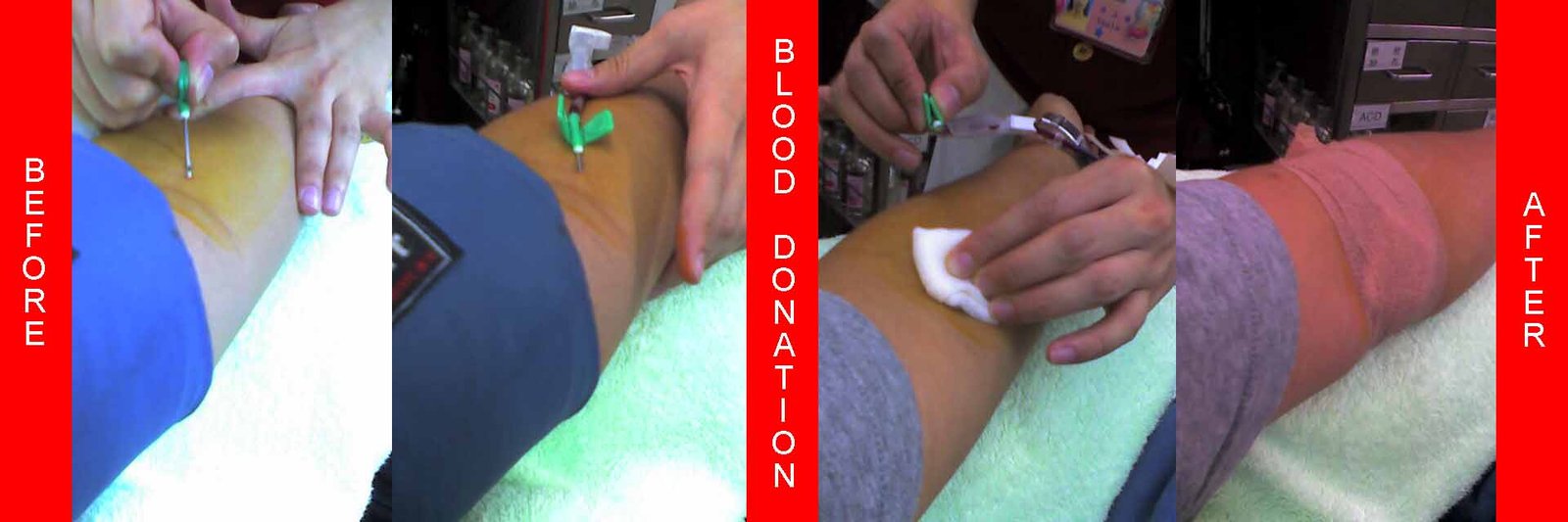
What Is the Minimum Weight for Blood Donation?
For general whole-blood donation information, eRaktKosh lists a minimum weight of 45 kg. The DGHS donor-selection criteria also link the amount of blood collected to donor weight, which is why weight is checked rather than treated as an optional detail.
Do not confuse this with the apheresis requirement. The current DGHS guidance lists 50 kg for an apheresis donor in the specific procedure criteria it describes. Because component-donation procedures can have additional conditions, check the exact procedure with the blood centre.
What Haemoglobin Level Is Required for Blood Donation?
The DGHS Transfusion Medicine Technical Manual states that the minimum haemoglobin required for whole-blood donation is 12.5 g/dL for both males and females. The manual also explains that haemoglobin estimation is an essential part of pre-donation screening.
This is another reason an age calculator cannot tell you whether you can donate on a particular day. Age arithmetic answers an age question; the blood centre still has to perform the medical screening required for donor selection.
How Often Can You Donate Blood?
eRaktKosh currently lists a general repeat-donation interval of 90 days for male donors and 120 days for female donors for whole-blood donation. These intervals are part of the published donor guidance and should be considered alongside the blood centre’s current screening and deferral rules.
Apheresis has different interval rules. The DGHS criteria describe specific minimum intervals after platelet or plasma apheresis and additional limits on how frequently such procedures may be performed. That is another reason to use the procedure-specific rules instead of applying the whole-blood schedule to every type of donation.
How to Check Your Exact Age Before Donation
When your age is close to an eligibility boundary, calculate your completed age on the donation date. Do not estimate from your birth year alone.
- Enter your exact date of birth.
- Use the date on which you plan to donate.
- Check your completed age on that date.
- Decide whether you are a first-time or repeat whole-blood donor, if relevant.
- If you are donating apheresis components, apply the separate apheresis age rule.
- Complete the blood centre’s pre-donation screening before assuming you are eligible.
| Date of birth | Donation date | Completed age | Why the exact date matters |
|---|---|---|---|
| 22 September 2008 | 21 September 2026 | 17 years, 11 months, 30 days | Still under 18, so the minimum-age criterion is not met. |
| 21 September 2008 | 21 September 2026 | 18 years | The donor has reached the minimum age, but must still pass all screening criteria. |
| 20 September 1961 | 21 September 2026 | 65 years, 1 day | Age exceeds the general 65-year upper limit for whole-blood donation. |
You can use the site’s Age Calculator to do the date arithmetic. It is a calculation aid, not a medical eligibility test.
What Happens During Pre-Donation Screening?
Before donation, the blood centre does more than confirm your age. eRaktKosh says the screening process includes questions about your health, lifestyle and disease risk factors. A short health examination includes pulse, temperature and blood pressure. The DGHS technical manual also describes haemoglobin estimation as an essential screening test.
The donor is accepted only after being declared fit to donate under the applicable criteria. This is important because a donor may be the correct age and weight but still need to postpone donation because of a temporary issue or a medical-history consideration.
When Can a Person Be Deferred From Blood Donation?
Deferral means the person is not accepted for donation at that time. The DGHS manual explains that donors who do not meet selection criteria can be deferred on a temporary or permanent basis.
- Low haemoglobin or other screening findings can affect eligibility.
- Being under the minimum weight can lead to deferral.
- Acute illness or certain health conditions can affect whether you are accepted.
- Medical history, medication, lifestyle or risk-factor answers can trigger a temporary or permanent deferral under the applicable criteria.
- Procedure-specific requirements can apply to apheresis donation.
The reason for deferral can be specific to the donor and the donation type. That is why a blood centre’s medical screening decision should take priority over a generic checklist found online.
Can a 60-Year-Old Donate Blood?
Yes, age 60 itself does not automatically disqualify a person from whole-blood donation. A 60-year-old can fall within the current whole-blood age range, and a first-time donor can be up to 60 under the published first-time criterion. The person must still meet the rest of the donor-selection requirements.
Can a 65-Year-Old Donate Blood?
For a repeat whole-blood donor, the current upper age limit is 65 years. That does not mean every 65-year-old will be accepted on every visit; the donor still has to pass the health and screening criteria. A first-time whole-blood donor is not covered by the same upper-age provision because the current criterion places the first-time ceiling at 60.
Can Someone Donate Blood Immediately After Turning 18?
Reaching 18 satisfies the minimum age condition, but age alone is not enough. The person still has to meet the other donor requirements and pass pre-donation screening. If you are exactly at the 18-year boundary, bring the identification document accepted by the blood centre and use your exact date of birth when checking eligibility.
Common Mistakes About Blood Donation Age Limits
- Using an old “18–60” rule for every donor. The current whole-blood criteria distinguish first-time donors from repeat donors and extend the repeat-donor upper limit to 65.
- Confusing whole blood with apheresis. The current apheresis age range is 18–60 and includes additional requirements.
- Checking age but ignoring weight and haemoglobin. Both are part of donor screening.
- Assuming age means automatic acceptance. A person can be deferred for medical or procedural reasons.
- Using the birth year instead of the exact date. Eligibility boundaries are based on age, so the day and month can matter.
- Treating online information as a substitute for the blood centre. Published criteria are useful for preparation, but the final donor-selection process happens at the blood centre.
Blood Donation Eligibility Checklist for 2026
- Check that you are at least 18 years old.
- If you are a first-time whole-blood donor, check the first-time upper age limit of 60.
- If you are a repeat whole-blood donor, check the upper age limit of 65.
- If you plan to donate by apheresis, use the separate 18–60 age rule and procedure-specific criteria.
- Check that your weight meets the applicable minimum.
- Be prepared for haemoglobin and basic health screening.
- Answer the health and risk-factor questions accurately.
- Follow the blood centre’s final advice about acceptance or deferral.
Where to Find a Blood Bank
eRaktKosh provides a Blood Bank Directory and donation-related services for people who want to donate. Before travelling, check the participating blood centre and its current appointment or donation arrangements rather than assuming every location has the same availability. The eRaktKosh platform also provides a way to look for nearby blood banks and blood-donation camps.
Official Sources for Blood Donation Eligibility
For a current decision, the following official resources are more useful than an undated third-party list:
- DGHS — Guidelines for Voluntary Blood Donation, which records the revised donor criteria approved by the National Blood Transfusion Council in December 2024.
- DGHS / NBTC — Transfusion Medicine Technical Manual, Third Edition 2023, including the haemoglobin and pre-donation screening framework.
- eRaktKosh — Donate Blood, with public-facing donor information and screening guidance.
- eRaktKosh — Centralized Blood Bank Management System, where users can find blood-bank and donation services.
Frequently Asked Questions
What is the blood donation age limit in India in 2026?
For whole-blood donation, the current published criteria use 18–65 years, with a first-time donor upper limit of 60 and a repeat-donor upper limit of 65. Apheresis donors are listed at 18–60 years.
Can a 17-year-old donate blood in India?
No. The minimum age for whole-blood donation is 18 years under the current donor criteria. Other health and screening requirements also apply after the age threshold is met.
Can a first-time donor aged 61 donate whole blood?
The current criteria say a first-time whole-blood donor should not be over 60. A first-time donor aged 61 therefore falls outside that age criterion.
Can a repeat donor aged 64 donate blood?
A repeat whole-blood donor aged 64 is within the published upper age limit of 65, but must still pass the blood centre’s full donor-selection and health screening process.
What is the minimum weight for blood donation?
eRaktKosh lists 45 kg as the general minimum weight for whole-blood donation. Apheresis has a separate criterion, with the current DGHS guidance listing 50 kg for that procedure.
What haemoglobin level is required?
The DGHS Transfusion Medicine Technical Manual states a minimum haemoglobin of 12.5 g/dL for whole-blood donation for both males and females.
How often can I donate whole blood?
eRaktKosh currently lists a 90-day interval for male donors and a 120-day interval for female donors. The blood centre should apply the current donor-selection criteria to your individual situation.
Final Takeaway
The blood donation age limit in India in 2026 is generally 18 to 65 years for whole-blood donation, but the upper-age rule is more specific than a simple 18–65 statement. A first-time whole-blood donor should not be over 60, while a repeat donor can be covered up to age 65. Apheresis donors are listed at 18–60 years.
Before donating, check your exact age from your date of birth, your weight, your haemoglobin and the current donor-selection requirements. The blood centre’s pre-donation screening is the final step that determines whether you can donate that day.
For a broader explanation of the legal 18-year milestone in India, see the site’s Age of Majority in India 2026 guide.
Disclaimer: This article provides general information for 2026 and is not medical advice. Blood-donation eligibility can depend on current national criteria, the donation type, your health history, screening results and the blood centre’s medical assessment. Check the latest official guidance and follow the instructions of qualified blood-centre staff before donating.