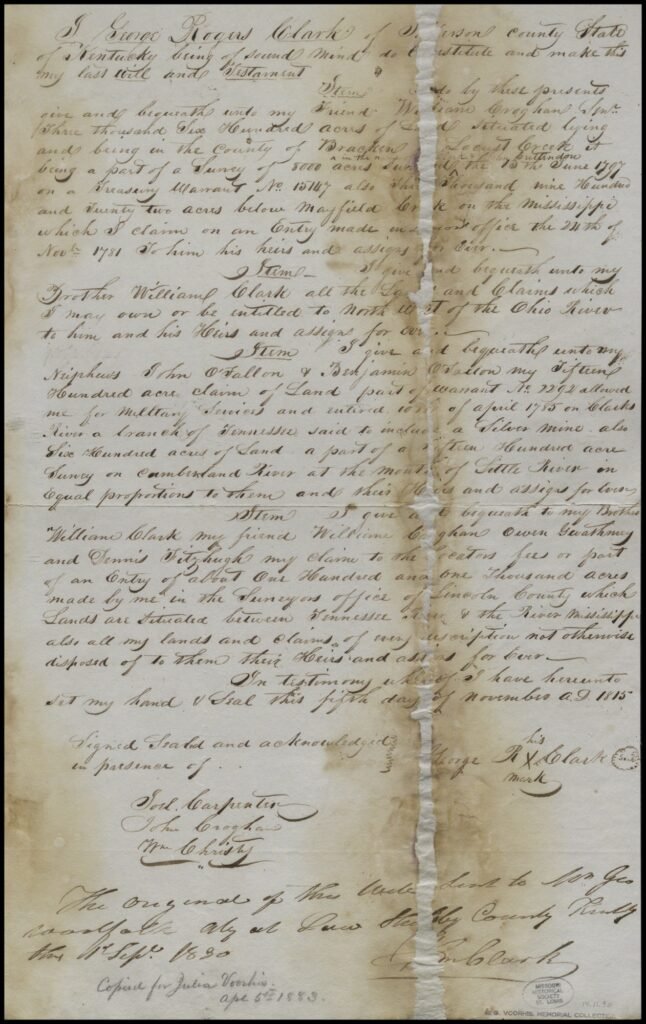
If you are asking can a minor be a witness to a will in India in 2026, the answer is more nuanced than “the witness must be 18.” Section 63 of the Indian Succession Act, 1925 requires an unprivileged will to be attested by at least two witnesses, but the section does not itself prescribe an 18-year minimum for those witnesses. Indian court decisions have considered whether a person under 18 can attest a will and have held that minority by itself does not automatically make a person incompetent to act as an attesting witness when the person understands the act of attestation. Read the Indian Succession Act, 1925.
That distinction matters because the age of the person making the will, the age of the witness and the witness’s ability to understand what they are doing are separate questions. A person can be too young to make a will and still, depending on the circumstances, be capable of acting as a witness to someone else’s will.
Can a Minor Be a Witness to a Will in India?
Yes, a minor is not automatically disqualified solely because the person is under 18. Section 63(c) of the Indian Succession Act requires two or more witnesses and describes what each witness must do: the witness must see the testator sign or affix a mark, or receive the testator’s personal acknowledgment of that signature or mark, and then sign the will in the testator’s presence. The statutory wording does not state that every attesting witness must be an adult.
The courts have therefore focused on the witness’s actual capacity to understand the act. In Ajay Kumar v. The State (Govt. of NCT of Delhi), decided in 2024, the Delhi High Court considered an objection that one attesting witness had been a minor when the will was executed. The court referred to Section 118 of the Indian Evidence Act, 1872 and explained that minority alone does not make a witness incompetent. It concluded that there was no legal embargo preventing a minor from acting as an attesting witness to a will, provided the witness had the necessary understanding and intention to attest. Read the Delhi High Court decision.
A similar principle appears in decisions concerning attestation of documents more generally. The Madras High Court has stated that a person who has not attained 18 can be an attesting witness when the evidence shows that the person understood the purpose of the attestation. The point is not that every minor is automatically a valid witness; rather, the person’s ability to understand the act can be important when competency is challenged. See the Madras High Court discussion.
What Does Section 63 of the Indian Succession Act Require?
For an ordinary, unprivileged will covered by Section 63, the law sets out formal requirements for execution and attestation. The testator must sign or affix a mark, or have another person sign in the testator’s presence and by the testator’s direction. The signature must appear to show an intention to give effect to the writing as a will.
The attestation requirement is the part most relevant to the witness-age question. The will must be attested by two or more witnesses. Each witness must have seen the testator sign or affix the mark, or have received a personal acknowledgment of that signature or mark. Each witness must then sign the will in the presence of the testator. The statute also says that the witnesses do not have to be present at the same time.
| Question | What the law/source addresses | Why it matters |
|---|---|---|
| How many witnesses? | At least two for a will covered by Section 63 | Using only one attesting witness does not satisfy the ordinary statutory form. |
| Must the witness see the signature? | The witness must see the signing/mark or receive the testator’s personal acknowledgment | The witness’s role is to attest execution, not merely add a signature later. |
| Must witnesses sign in the testator’s presence? | Yes, under Section 63(c) | The sequence of signing and attestation can become important if the will is later disputed. |
| Does Section 63 state “18 years” for witnesses? | No express 18-year minimum appears in Section 63(c) | This is why courts have examined competency rather than relying only on age. |
| Can a minor understand and attest? | Court decisions have recognised that minority alone is not an automatic bar | Actual understanding and intention to attest can matter. |
Why the Witness’s Understanding Matters
Witnessing a will is not simply a matter of signing a piece of paper. The witness is expected to understand that they are witnessing the testator’s execution or acknowledgment of the will and to sign in the capacity of an attesting witness. Courts have described this as requiring an intention to attest, sometimes expressed through the term animo attestandi.
That is why two different statements should not be treated as equivalent: “a minor can never witness a will” and “every minor can witness a will.” The first goes further than the statutory wording and the case law discussed above. The second ignores the requirement that the witness must actually be capable of understanding the act and, if necessary, explaining it later.
What Did the Delhi High Court Say About a Minor Witness?
The 2024 Delhi High Court decision is particularly useful because the issue was raised directly. An objector argued that an attesting witness was a minor when the will was executed and therefore could not competently act as a witness. The court examined the witness-competency rule in Section 118 of the Indian Evidence Act, 1872.
The court explained that Section 118 does not make minority an automatic disqualification. Instead, competency can depend on whether the person is able to understand the questions put to them and give rational answers. In the will case, the court also considered whether the witness understood that he was acting as an attesting witness and found that the evidence supported that understanding.
This is important for a practical reason: if a will is later challenged, an attesting witness may be asked to explain what happened when the will was signed. A very young child who cannot understand or later describe the act may create evidentiary difficulties even though there is no simple statutory rule saying “under 18 = invalid witness.”
Does a Witness to a Will Have to Be 18?
There is no simple statutory 18-year witness rule in Section 63 of the Indian Succession Act. The more precise legal position is that the witness must satisfy the requirements of attestation and be competent to understand and perform the act. Courts have recognised circumstances in which a person below 18 could be an attesting witness.
For everyday will preparation, however, it is sensible to distinguish legal possibility from practical drafting. If an adult who clearly understands the act is readily available, using independent adult witnesses can reduce avoidable questions about competency and later evidence. That is a practical precaution, not a statement that every minor’s signature is legally ineffective.
What Is the Difference Between the Testator’s Age and the Witness’s Age?
The person making a will is called the testator. The testator’s capacity to make a will is a different legal question from the competency of an attesting witness. Under the Indian Succession Act, testamentary capacity and attestation are governed by different provisions and should not be collapsed into one “18-year rule.”
The site’s separate guide on whether a minor can make a will explains the testator-side question: Can a Minor Make a Will in India 2026?. This article addresses the other side of the transaction: whether a person under 18 can attest someone else’s will.
Can a Family Member or Beneficiary Witness a Will?
The witness-age question should also be separated from the question of whether a beneficiary can witness a will. Those are different issues, and the answer can depend on the personal law applicable to the will.
Section 67 of the Indian Succession Act deals with certain situations in which a person who is a beneficiary, or the spouse of a beneficiary, attests a will. The section can affect the bequest made to that beneficiary without necessarily invalidating the entire will. The provision also has important scope limitations, so it should not be turned into a universal statement that every beneficiary-witness arrangement has the same legal consequence.
If a person is preparing a will and wants to minimise later disputes, independent witnesses who have no financial interest in the document are generally the simpler practical choice. Where a beneficiary has already signed as a witness, the effect should be checked against the applicable succession law rather than assuming that the whole will is void.
Can a Minor Witness Other Legal Documents?
Do not automatically transfer the will-witness rule to every other document. Different statutes use different concepts of competency. For example, Section 11 of the Indian Contract Act, 1872 addresses who is competent to contract and ties contractual capacity to the age of majority, sound mind and the absence of a legal disqualification. Read Section 11 of the Indian Contract Act.
Witnessing and contracting are not the same legal act. A person can therefore have limited capacity in one context without that automatically answering the witness-competency question in another statute. Always identify the document and the governing law before applying an age rule.
What If the Minor Witness Is Only 15 or 16?
There is no reliable shortcut that says a particular birthday automatically makes a will witness valid or invalid. The younger the person, the more important the factual question of understanding may become. If the person’s competency is later challenged, the court may look at evidence about whether the witness understood the act of attestation and could give a rational account of what happened.
For that reason, a family should not select a very young child simply because the child is present when the will is signed. If the objective is a clean and easily provable execution, independent adult witnesses are a more straightforward practical option.
What Should Two Will Witnesses Actually Do?
- Be present for the testator’s signing or receive the testator’s personal acknowledgment of the signature or mark.
- Understand that they are acting as witnesses to the execution of the will.
- Sign the will in the testator’s presence, following the statutory attestation requirements.
- Use clear identifying details where appropriate so they can be located later if the will is disputed.
- Avoid creating unnecessary conflicts of interest where an independent witness is readily available.
The important point is that the witness’s signature should represent actual attestation. A person who signs only as a scribe, document preparer or other participant is not automatically an attesting witness merely because their name appears on the document.
Frequently Asked Questions
Can a 17-year-old be a witness to a will in India?
A 17-year-old is not automatically disqualified merely because they are 17. Indian court decisions have recognised that a minor can act as an attesting witness when the person understands the purpose of the attestation and is capable of giving relevant evidence. The precise facts still matter.
Does the Indian Succession Act say a will witness must be 18?
Section 63(c) requires two or more attesting witnesses and specifies what they must see, acknowledge and sign, but it does not expressly state an 18-year minimum age for every witness.
Can a child sign a will as a witness?
Potentially, yes, if the child is capable of understanding the act and the statutory attestation requirements are met. Because the issue can become factual if the will is challenged, using independent adult witnesses is generally the simpler practical approach where available.
How many witnesses are needed for a will?
For an ordinary will governed by Section 63 of the Indian Succession Act, the will must be attested by two or more witnesses.
Can a beneficiary be a witness to a will?
This depends on the applicable succession law and the type of will. Section 67 of the Indian Succession Act addresses consequences for certain beneficiaries or their spouses who attest a will. It should not be reduced to a blanket rule that every beneficiary-witness arrangement invalidates the entire will.
Is a minor who witnesses a will the same as a minor making a will?
No. Witness competency and testamentary capacity are separate questions. A minor’s ability to attest another person’s will does not mean the minor has the same legal capacity to make their own will.
Practical Checklist Before Signing a Will
- Use the correct form of will for the circumstances.
- Have at least two attesting witnesses where Section 63 applies.
- Make sure each witness understands that they are attesting the testator’s execution.
- Where possible, choose independent adult witnesses to reduce later questions about competency.
- Keep the testator and witnesses together for the required signing/acknowledgment steps.
- Do not assume that a witness’s signature alone proves proper attestation if the witness did not actually observe or receive acknowledgment of the testator’s signature.
- For complicated estates, religious-personal-law issues or expected disputes, obtain advice from a qualified succession lawyer.
Related Age and Legal Guides
- Can a Minor Make a Will in India 2026?
- Executor of Will Age Limit 2026
- Age of Majority in India 2026
- Legal Age to Sign a Contract in India
- Bank Nominee Age Limit 2026
Primary and Judicial References
- India Code — Indian Succession Act, 1925, especially Section 63 on execution and attestation of wills.
- Ajay Kumar v. The State (Govt. of NCT of Delhi), Delhi High Court, 2024 — consideration of a minor attesting witness and witness competency.
- G. Prabhakar v. G. Venkatraman — discussion of whether a person under 18 can act as an attesting witness when capable of understanding the act.
- India Code — Indian Contract Act, 1872, Section 11, for the separate concept of contractual capacity.
Final Takeaway
The answer to can a minor be a witness to a will in India 2026 is not simply “no.” Section 63 of the Indian Succession Act requires two or more attesting witnesses but does not itself impose an 18-year minimum on every witness. Indian courts have recognised that a minor can potentially attest a will when the person understands the act and has the necessary intention to attest.
At the same time, age is not the only issue. The witness must actually perform the statutory attestation role, and competency can become important if the will is challenged later. For a new will, independent adult witnesses are generally the simpler practical choice where they are readily available. If a minor has already signed as a witness, the document should be assessed on its facts rather than treated as automatically invalid because of the witness’s age.
This article is educational information based on the cited statutory text and judicial decisions. Succession law can depend on the applicable personal law and the facts of the estate; for a contested or high-value will, obtain professional legal advice.