
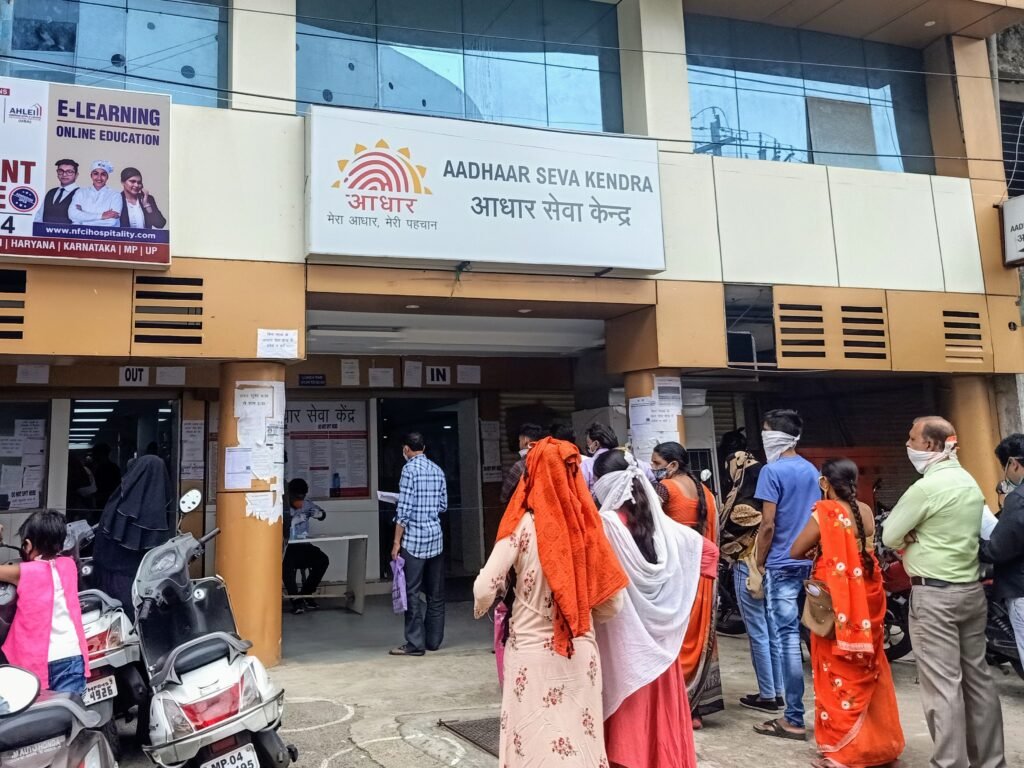
If you are searching for the Aadhaar age limit 2026, UIDAI’s current guidance gives a clear answer: there is no age limit for Aadhaar enrolment. UIDAI specifically says that even a newborn baby can be enrolled. The rules do change by age for children, especially for parent or guardian consent, biometric capture and mandatory biometric updates at ages 5 and 15.
Aadhaar Age Limit 2026: Quick Answer
There is no minimum or maximum age limit for Aadhaar enrolment in India in 2026. UIDAI’s current Enrolment & Update guidance explicitly states that there is no age limit defined for Aadhaar enrolment and that even a newborn baby can be enrolled.
| Age | Key Aadhaar rule |
|---|---|
| Newborn to below 5 years | Can be enrolled; parent or legal guardian is involved and biometrics are not captured at initial enrolment. |
| 5 to below 18 years | Child enrolment can use the child’s documents or Head-of-Family-based enrolment where applicable; parent/guardian consent is relevant. |
| At age 5 | Mandatory biometric update/re-enrolment process captures photograph, fingerprints and both irises. |
| At age 15 | Another mandatory biometric update captures the full biometrics. |
| 18 years and above | There is no new Aadhaar enrolment age ceiling; adult applicants follow the applicable standard enrolment process. |
Is There Any Minimum Age for Aadhaar?
No. UIDAI’s current official FAQ does not set an 18-year, 5-year or other minimum age for Aadhaar enrolment. A child can receive Aadhaar from birth, subject to the child-specific enrolment process.
This is why the phrase “Aadhaar age limit” can be confusing. There is no enrolment age limit, but there are important age-linked procedures. A child enrolled before age 5 initially has no fingerprints or iris biometrics captured. Later, the child must complete the prescribed biometric update when reaching age 5 and again at age 15.
Aadhaar for Newborn Babies and Children Below 5
UIDAI’s 2026 Aadhaar Handbook says children from newborn age to below 5 years can be enrolled. For this age group, Aadhaar authentication by a parent or guardian is required. The enrolment captures the child’s name, date of birth, gender and photograph, while biometric information is not captured at the initial enrolment.
For a resident Indian child below 5, UIDAI’s handbook lists the child’s birth certificate or another specified birth-related document and the Aadhaar or enrolment slip of a parent or guardian among the documents used for enrolment. The exact acceptable-document list should be checked against the current UIDAI document guidance before visiting a centre.
Aadhaar for Children Aged 5 to 18
Children aged 5 to below 18 can also enrol for Aadhaar. UIDAI’s handbook explains two practical routes: the child may enrol using their own acceptable documents, or, where the requirements are met, enrol through a Head-of-Family (HoF) process using proof of relationship. For minor enrolment, the parent or guardian gives consent on behalf of the child.
The current 2026 Aadhaar material therefore treats children as Aadhaar number holders in their own right while providing additional safeguards and documentation procedures for minors. Turning 18 does not mean that an existing Aadhaar number must be replaced simply because the holder becomes an adult.
What Changes at Age 5?
Age 5 is an important Aadhaar milestone. UIDAI says that when a child enrolled below age 5 attains age 5, all biometric information—photograph, fingerprints and both irises—is recorded. The process is treated similarly to a new enrolment for biometric purposes while retaining the child’s original Aadhaar number.
This is not a new Aadhaar number rule. The original Aadhaar number is retained. The age-5 requirement is a biometric update designed to replace the limited biometrics available when the child was very young.
What Changes at Age 15?
At age 15, UIDAI requires the Aadhaar number holder to furnish all biometrics for an update. This includes the photograph, fingerprints and both irises. UIDAI’s current guidance states that the mandatory biometric update at age 15 is free of cost under the applicable schedule.
So, a simple age timeline is:
- Birth: Aadhaar enrolment is possible.
- Below 5: Photograph and demographic details are captured; the child does not provide the full biometric set at initial enrolment.
- Age 5: Mandatory biometric update.
- Age 15: Mandatory biometric update again.
- 18+: No separate maximum age applies to Aadhaar enrolment.
Aadhaar Age Limit for Adults
There is no maximum age for Aadhaar enrolment. The absence of an age ceiling means that an adult can enrol even at an advanced age if the person meets the applicable eligibility and documentation requirements.
Age can still matter for the procedure rather than eligibility. Children have parent/guardian and biometric rules that do not apply in the same way to ordinary adult enrolment. UIDAI’s current enrolment guidance distinguishes children and adults through these process requirements rather than by imposing a maximum enrolment age.
Aadhaar Enrolment Documents for Children
The documents depend on the child’s age and the enrolment route. UIDAI’s 2026 handbook says that for children below 5, a birth certificate or specified government-hospital birth document can be used along with the Aadhaar or enrolment slip of a parent or guardian. For children aged 5 to 18, the child’s school ID from a recognised educational institution or another UIDAI-accepted document can be used where applicable. Head-of-Family enrolment is another route where the required proof of relationship is available.
| Child’s age | Examples of UIDAI-described documentation route | Parent/guardian role |
|---|---|---|
| Below 5 | Birth certificate or specified birth document plus parent/guardian Aadhaar or enrolment slip. | Authentication and consent required. |
| 5 to below 18 | Child’s school ID or another accepted document; HoF route may be available with proof of relationship. | Consent remains relevant for minor enrolment. |
| NRI child | Special documentation applies, including passport requirements in the cases described by UIDAI. | Parent/guardian authenticates and consents where applicable. |
Who Gives Consent for a Minor’s Aadhaar?
For minor enrolment, UIDAI’s current handbook states that the parent or guardian gives consent for Aadhaar enrolment on behalf of the child. The 2026 enrolment regulations also provide specific requirements for Head-of-Family-based enrolment, including an HoF who is 18 years or more and is the mother, father or legal guardian of the child in the applicable process.
This does not mean that the child’s Aadhaar belongs to the parent. The child receives an Aadhaar number; the adult’s role is connected to the consent, authentication and documentation process used for the minor’s enrolment.
Is Aadhaar Enrolment Free in 2026?
UIDAI lists Aadhaar enrolment as free. The current service information also provides age-specific rules for mandatory biometric updates. UIDAI’s homepage currently states that mandatory biometric updates for children aged 5–17 are free through 30 September 2026, while its service guidance explains the applicable age bands and charges. Applicants should check the live UIDAI fee information before visiting a centre because temporary fee waivers and schedules can change.
Aadhaar Age Limit vs Aadhaar PVC Card Age Limit
Aadhaar enrolment and ordering an Aadhaar PVC card are different questions. The absence of an age limit for Aadhaar enrolment does not mean every PVC-card service has identical procedures for every age group. A child can have an Aadhaar number, and the holder or an authorised person can use the applicable UIDAI service options for the Aadhaar document format available to them.
For more detail on the PVC-card question, see our Aadhaar PVC Card Age Limit 2026 guide. You can also compare the child rules with our Age of Majority in India guide and PAN Card Age Limit guide. Keeping these topics separate avoids confusing Aadhaar enrolment age with the rules for a particular Aadhaar service.
Aadhaar for NRI Children
UIDAI also provides an enrolment route for NRI children. Its current guidance says an NRI, whether minor or adult, with a valid Indian passport can apply for Aadhaar at an Aadhaar Enrolment Centre, and the usual 182-day residential condition is not mandatory for NRIs. For NRI children below 18, parent or guardian involvement and the prescribed passport/document requirements apply.
This is another reason not to use a single “18+” rule when researching Aadhaar. The age of the applicant, residential status and documents can interact to determine the correct enrolment route.
Aadhaar Age and Biometric Update Rules
UIDAI’s current update guidance describes three broad biometric situations: children enrolled below age 5 should provide biometrics when they attain 5; children enrolled between 5 and 15 should provide biometrics when they attain 15; and holders above 15 are recommended to update biometrics periodically, with UIDAI stating a 10-year recommendation for those above 15.
| Milestone | Biometric action | Aadhaar number |
|---|---|---|
| Initial enrolment below 5 | No full biometric set at initial enrolment. | New Aadhaar number is generated. |
| Age 5 | Photo, fingerprints and both irises are captured. | Original number retained. |
| Age 15 | Full biometric update again. | Original number retained. |
| Above 15 | UIDAI recommends periodic biometric updates, including a 10-year recommendation. | Number remains the same. |
How to Enrol a Child for Aadhaar in 2026
The basic child-enrolment workflow is:
- Identify the child’s age and whether the child is a resident Indian or NRI.
- Check the current UIDAI acceptable-document list for the applicable route.
- For a minor, arrange the required parent or legal-guardian involvement and consent.
- Visit an Aadhaar Enrolment Centre or authorised enrolment location.
- Submit the enrolment form and supporting documents.
- Complete the demographic and biometric steps applicable to the child’s age.
- Collect the acknowledgement/enrolment information and track the request through UIDAI services.
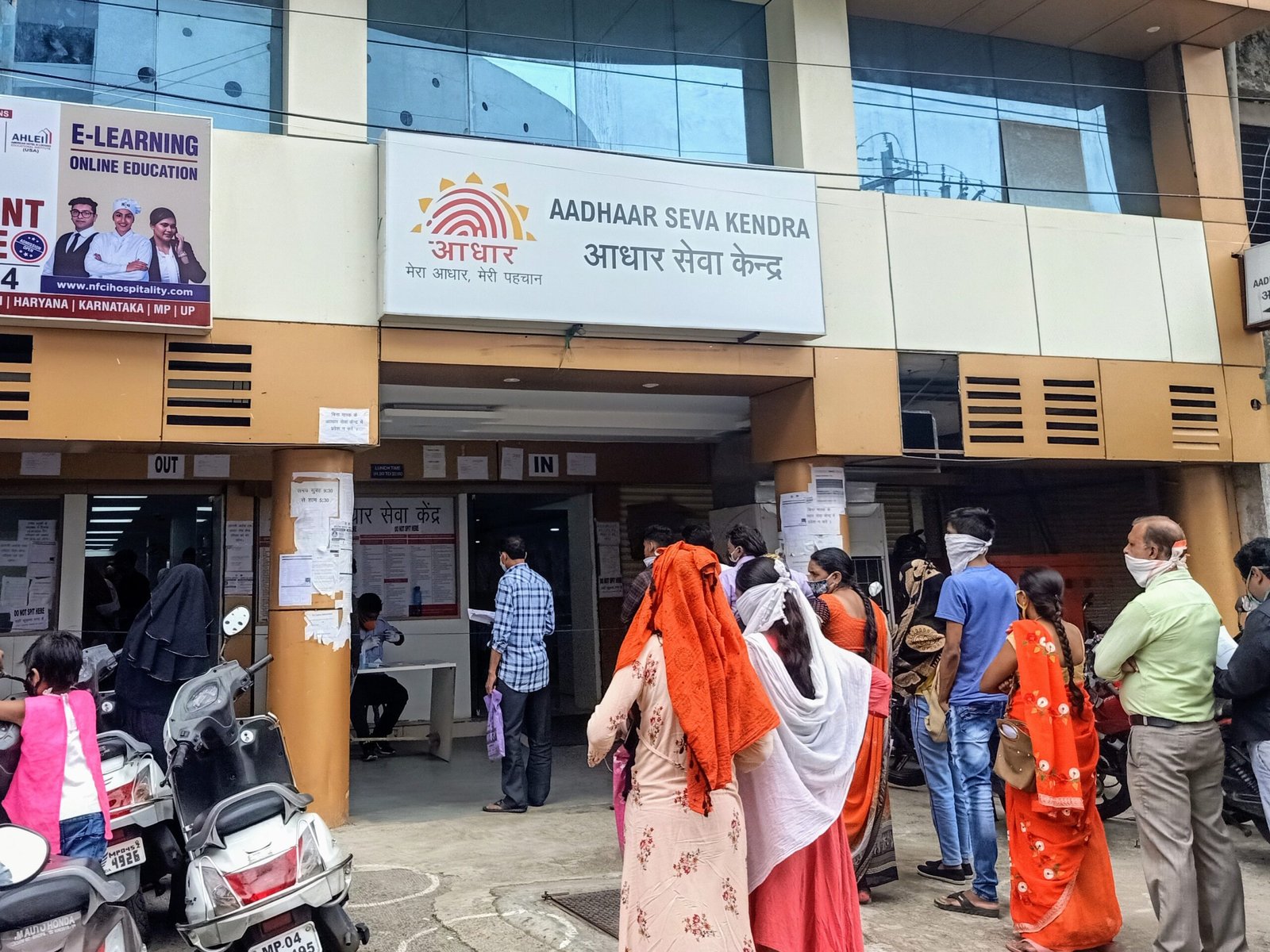
UIDAI says individuals seeking enrolment should enrol at a nearby Aadhaar Enrolment Centre or Aadhaar camp. Its current enrolment page also explains document-based and Head-of-Family-based enrolment routes. Official UIDAI website
Aadhaar Name, Date of Birth and Address Checks for Children
Parents should also check the child’s core demographic details before completing enrolment. UIDAI’s child-enrolment guidance identifies name, date of birth, gender and address as important demographic information. A correct birth document and consistent supporting records can help avoid later correction requests. If the family wants the child’s address to follow a parent’s updated Aadhaar address under the applicable Head-of-Family process, UIDAI advises updating the parent’s details first where relevant.
For children, the date of birth is particularly important because the age-5 and age-15 biometric milestones are tied to the recorded age. Keep the birth certificate and other supporting documents safely after enrolment so that future update requests can be handled with the current UIDAI requirements.
Aadhaar Enrolment vs Aadhaar Update
Enrolment creates an Aadhaar number, while an update changes information or biometrics attached to an existing Aadhaar number. A child below 5 may therefore be enrolled without the full biometric set and later complete mandatory biometric updates without receiving a replacement Aadhaar number. UIDAI’s guidance specifically says the original number is retained after the age-5 biometric milestone.
Common Aadhaar Age-Limit Mistakes
- Mistake 1: Assuming Aadhaar starts at 18. UIDAI explicitly says there is no age limit and newborns can enrol.
- Mistake 2: Thinking a child under 5 provides fingerprints at initial enrolment. The initial below-5 process does not capture the full biometric set.
- Mistake 3: Treating age 5 as a new Aadhaar application. The biometric milestone retains the original Aadhaar number.
- Mistake 4: Forgetting the age-15 biometric update. UIDAI requires another full biometric update at 15.
- Mistake 5: Using old document lists. UIDAI’s acceptable-document resources are updated, so check the current list before visiting.
- Mistake 6: Confusing Aadhaar enrolment with Aadhaar PVC-card rules. These are separate service questions.
Aadhaar Age Limit 2026 Checklist
| Check | What to remember |
|---|---|
| Minimum age | None; newborns can be enrolled. |
| Maximum age | No maximum enrolment age is stated by UIDAI. |
| Below 5 | Parent/guardian involvement; no full biometrics at initial enrolment. |
| Age 5 | Mandatory biometric update. |
| Age 15 | Mandatory biometric update again. |
| Minor consent | Parent/guardian gives consent for minor enrolment. |
| Documents | Use the current UIDAI acceptable-document list. |
| Fee | New Aadhaar enrolment is free; check current update fee/waiver information. |
FAQs
Final Takeaway
The Aadhaar age limit 2026 is simple at the enrolment level: there is no age limit. UIDAI allows enrolment from birth, but children follow age-specific rules for consent, documentation and biometric capture. The two major milestones are age 5 and age 15, when mandatory biometric updates are required.
If you are enrolling a child, do not wait until 18 simply because Aadhaar is often treated as an adult identity document. Check the child’s age, collect the current UIDAI-accepted documents, involve the parent or legal guardian where required, and follow the biometric-update schedule after enrolment.
Last reviewed: 21 September 2026.