
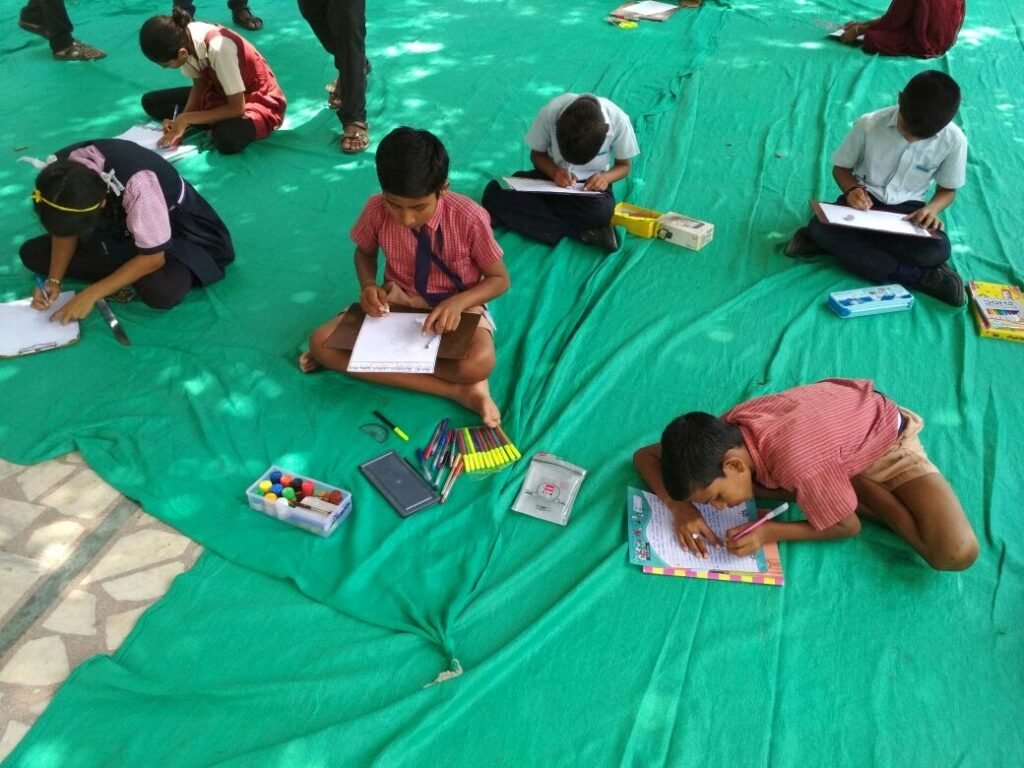
If you are searching for the child labour age limit in India 2026, the most important rule is clear: the law generally prohibits employing or allowing a child below 14 years to work in any occupation or process. For adolescents aged 14 to below 18 years, the law takes a different approach: hazardous occupations and processes are prohibited, while work that is legally permitted is subject to conditions on hours and working time.
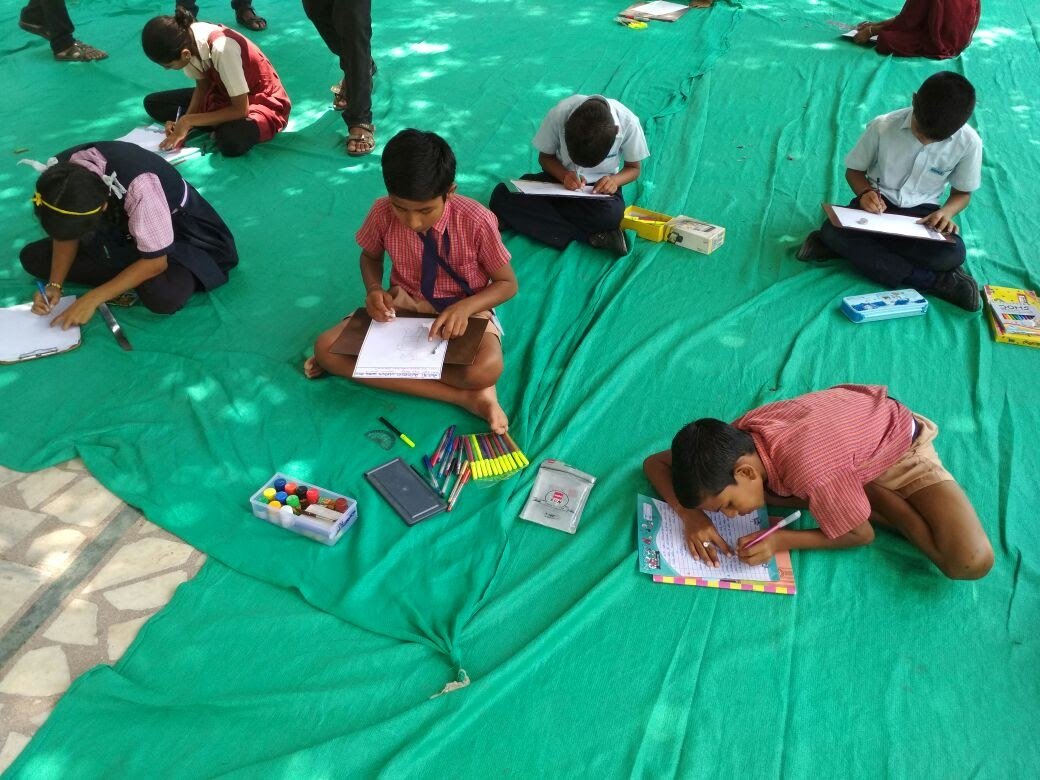
This distinction matters because the phrase “child labour age” can be misleading. The legal question is not simply whether someone is under 18. The Child and Adolescent Labour (Prohibition and Regulation) Act, 1986, as amended in 2016, uses separate definitions for a child and an adolescent and applies different restrictions to each group.
Table of Contents
- Quick answer: child labour age limit in India
- Who is a child and who is an adolescent?
- Rules for children below 14 years
- Important exceptions for children
- Rules for adolescents aged 14 to below 18
- Working hours and timing restrictions
- What counts as prohibited hazardous work?
- Penalties for illegal employment
- How date of birth affects the age test
- Age examples for 2026
- What can establish age?
- What to do if you suspect illegal child labour
- Frequently asked questions
- Official sources
Quick Answer: Child Labour Age Limit in India
| Age | General legal position | Key point |
|---|---|---|
| Below 14 years | Employment/work is generally prohibited | Section 3 prohibits employing or permitting a child to work in any occupation or process, subject to limited statutory exceptions. |
| 14 to below 18 years | Adolescent | Hazardous occupations and processes are prohibited. Permitted non-hazardous work is subject to statutory working-condition rules. |
| 18 years and above | Not an “adolescent” under this Act | The special adolescent restrictions under the Child and Adolescent Labour Act no longer apply, although other labour and employment laws can still apply. |
The Ministry of Labour and Employment describes the amended framework in similar terms: children below 14 are prohibited from work in all occupations and processes, while adolescents aged 14 to 18 are prohibited from hazardous occupations and processes. The exact legal position should always be checked against the Act, its Schedule and any applicable rules.
Who Is a Child and Who Is an Adolescent?
Under the current statutory definitions, an adolescent is a person who has completed 14 years of age but has not completed 18 years. A child is a person who has not completed 14 years, subject to the wording in the Act linking the definition to the age specified under the Right of Children to Free and Compulsory Education Act, 2009.
That means the common shorthand “under 18 = child labour” is not technically precise. The law creates two age groups with different restrictions:
- Child: below 14 years under the statutory definition.
- Adolescent: 14 years completed but below 18 years.
- Adult for this Act: 18 years and above is outside the Act’s adolescent definition.
You can read the statutory definitions in the India Code version of the Child and Adolescent Labour Act.
Rules for Children Below 14 Years
Section 3 contains the core prohibition. It states that a child must not be employed or permitted to work in any occupation or process. This is much broader than the older framework that prohibited child employment only in specified occupations or processes.
Therefore, an employer should not assume that a child can legally be hired simply because the job appears light, informal, part-time or located in a small shop. The general prohibition covers employment or work unless a statutory exception applies.
Important Exceptions for Children
The Act contains narrow exceptions. These should not be read as a general permission to employ children.
- Family or family enterprise: a child may help a family or family enterprise after school hours or during vacations, provided the activity is not a hazardous occupation or process covered by the Schedule.
- Audio-visual entertainment and sports: a child may work as an artist in specified entertainment or sports activities, other than circus, subject to prescribed conditions and safety measures. The work must not affect the child’s school education.
The statutory wording is important. A family business is not automatically exempt from every child-labour restriction, and a child appearing in an advertisement, film or sports activity does not create an unrestricted right to work. The conditions in the Act and rules still matter.
Rules for Adolescents Aged 14 to Below 18
Once a person has completed 14 years but has not completed 18 years, the legal category changes from “child” to “adolescent.” Section 3A prohibits an adolescent from being employed or permitted to work in the hazardous occupations or processes listed in the Schedule.
This does not mean that every form of non-hazardous work is automatically unrestricted. Where adolescent work is legally permitted, Part III of the Act imposes conditions concerning hours, rest intervals, night work, overtime and weekly holidays.
Working Hours and Timing Restrictions
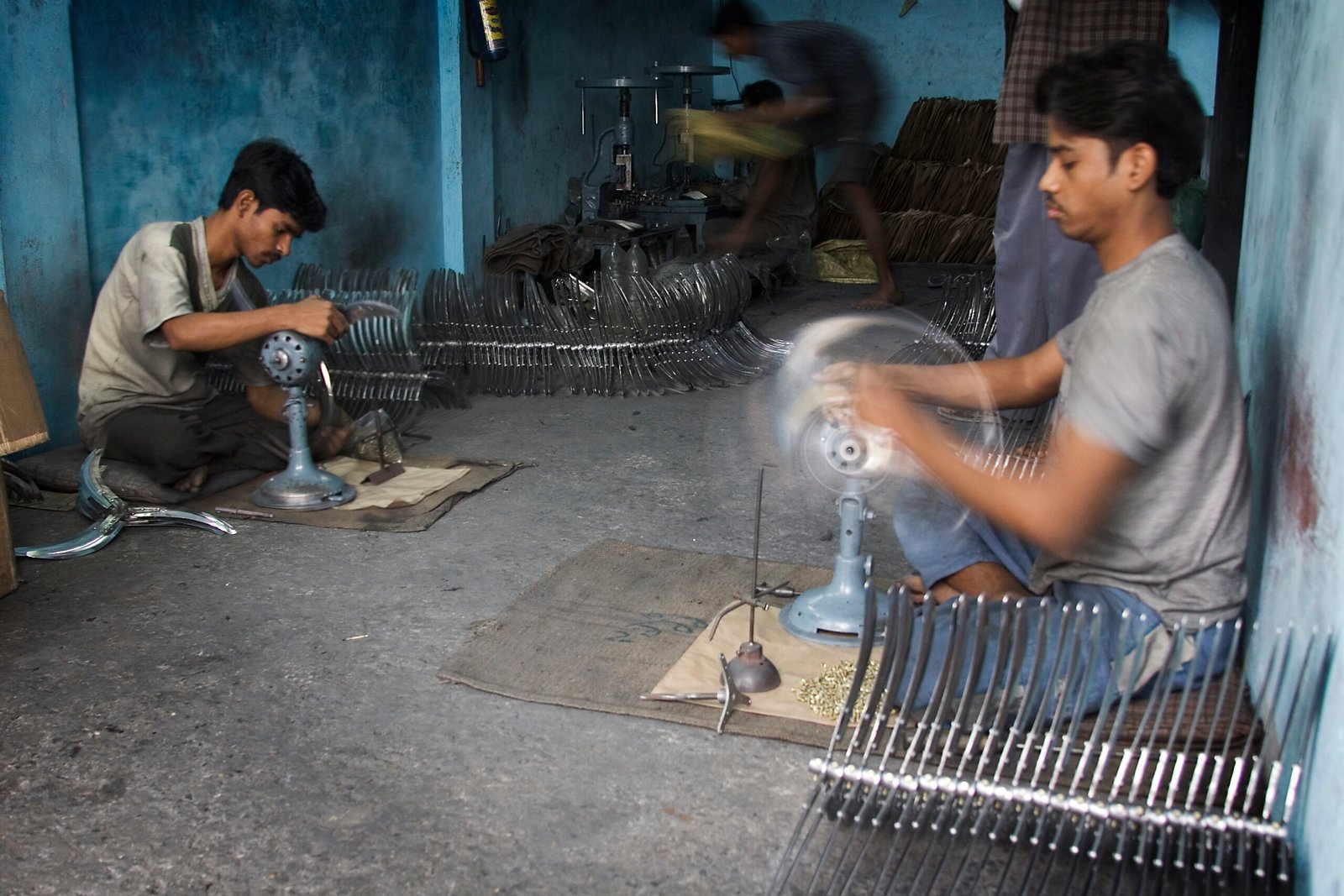
For adolescents in establishments where work is permitted, Section 7 sets important restrictions. The daily work period cannot be arranged so that a continuous period exceeds three hours without the required rest interval, and the total spread of work, including rest and waiting time, cannot exceed six hours on a day.
- No work period may exceed three hours before an interval of at least one hour for rest.
- The work period, including the rest interval and waiting time, must not be spread over more than six hours in a day.
- An adolescent cannot be required or permitted to work between 7 p.m. and 8 a.m.
- Overtime is prohibited.
- An adolescent cannot be made to work in another establishment on a day when the adolescent has already worked in one establishment.
- A weekly holiday of one whole day is provided under Section 8.
These are statutory conditions, not merely workplace suggestions. The current text of Section 7 sets out the working-time restrictions.
What Counts as Prohibited Hazardous Work?
The Act uses a Schedule to identify hazardous occupations and processes for the adolescent prohibition. The Schedule can be amended by the Central Government through the statutory process, so it is better to check the current legal Schedule than rely on an old list copied from a website.
The framework is designed around the distinction between prohibited hazardous work and work that may be permitted for adolescents under the applicable conditions. For a particular job, factory, workshop or process, the exact activity and working environment should be examined rather than deciding solely from the job title.
Penalties for Illegal Employment
Section 14 provides significant penalties for contraventions. An employer who employs or permits a child to work contrary to Section 3 can face imprisonment of at least six months and up to two years, or a fine of ₹20,000 to ₹50,000, or both. Similar imprisonment and fine provisions apply to employing or permitting an adolescent to work in contravention of Section 3A.
For repeat offences after conviction, the Act provides for a higher imprisonment range. The treatment of parents or guardians is also specifically addressed in Section 14, including provisions concerning first and subsequent offences.
Because penalties can depend on the precise provision violated and the circumstances, employers should not treat the figures above as a substitute for the statute. See Section 14 of the Act for the operative penalty provisions.
How Date of Birth Affects the Age Test
Age is calculated from the person’s actual date of birth. A one-day difference can matter when someone is close to the statutory boundary at 14 or 18.
For example, a person born on 18 September 2008 has completed 18 years on 18 September 2026. A person born on 19 September 2008 has not completed 18 years on 18 September 2026. The same completed-age principle applies at the 14-year boundary.
For a quick calculation, you can use our Age Calculator. For the underlying legal framework around majority, see our guide to Age of Majority in India 2026.
Age Examples for 2026
| Date of birth | Age on 18 September 2026 | Category under the Act | Basic implication |
|---|---|---|---|
| 18 September 2013 | 13 years completed | Child | General prohibition on employment/work applies, subject to statutory exceptions. |
| 18 September 2012 | 14 years completed | Adolescent | Hazardous work is prohibited; permitted work remains subject to statutory conditions. |
| 18 September 2009 | 17 years completed | Adolescent | Still within the adolescent category until the 18th birthday. |
| 18 September 2008 | 18 years completed | 18+ | No longer an adolescent under this Act. |
These examples use the exact completed-age approach. In an actual case, use the person’s date of birth and the legally relevant date, and check the current Act and applicable rules.
What Can Establish Age?
The relevant authority may need reliable proof of age when investigating or verifying a person’s employment status. The appropriate document depends on the procedure and circumstances. A birth certificate, school record or another officially accepted record may be relevant.
Do not assume that one document is automatically controlling in every dispute. If records conflict, the authority handling the matter may apply the evidence rules and procedures relevant to that proceeding.
For background on why birth records matter for age verification in India, see our guide to the Birth Certificate in India 2026.
What to Do If You Suspect Illegal Child Labour
If you believe a child is being employed illegally, avoid confronting a potentially unsafe situation yourself. The Ministry of Labour and Employment maintains information and enforcement resources relating to child and adolescent labour, and complaints can be routed through the appropriate government enforcement mechanisms.
The Ministry also maintains current circulars and material on implementation of the Child and Adolescent Labour Act. Start with the Ministry of Labour and Employment child-labour resources to identify the current reporting or enforcement route relevant to the situation.
Frequently Asked Questions
What is the child labour age limit in India in 2026?
The general rule is that a child below 14 years cannot be employed or permitted to work in any occupation or process, subject to the limited exceptions written into the law. For people aged 14 to below 18, hazardous occupations and processes are prohibited and permitted work is regulated.
Can a 14-year-old work in India?
A 14-year-old is an adolescent under the Act. Hazardous occupations and processes are prohibited. Work that is legally permitted must comply with the applicable conditions, including restrictions on hours and timing.
Can a 16-year-old work in India?
A 16-year-old is an adolescent. The person cannot be employed or permitted to work in the hazardous occupations or processes covered by the Schedule. Where non-hazardous work is permitted, the statutory working-condition rules apply.
Is all work by a child below 14 illegal?
The general rule is prohibition, but the Act contains narrow exceptions for certain family-enterprise assistance and specified audio-visual entertainment or sports activities. Those exceptions have conditions and should not be treated as a general licence for child employment.
Can adolescents work at night?
No. Section 7 says an adolescent cannot be required or permitted to work between 7 p.m. and 8 a.m. where the adolescent is in employment covered by the working-condition provisions.
What happens when a worker turns 18?
On completing 18 years, the person is no longer an “adolescent” under the Child and Adolescent Labour Act. The special adolescent restrictions in that Act therefore no longer apply, although other employment, safety and labour laws may still regulate the work.
Does the child labour age rule depend on the date of birth?
Yes. The statutory categories depend on completed age. When someone is close to 14 or 18, calculate the exact completed age from the date of birth rather than relying on the birth year alone.
Official Sources
- India Code — Child and Adolescent Labour (Prohibition and Regulation) Act, 1986
- India Code — Act text PDF
- Ministry of Labour & Employment — National Programme for Child Labour Free India
- Ministry of Labour & Employment — Child Labour circulars
Final Takeaway
The child labour age limit in India 2026 is best understood as a two-stage framework. Below 14 years, employment or work is generally prohibited, with narrow statutory exceptions. From 14 to below 18 years, a person is an adolescent: hazardous occupations and processes are prohibited, while permitted work is subject to specific working-time and safety rules. At 18 years, the person leaves the adolescent category under this Act.
Because child and adolescent labour law is fact-specific, use the current statute, Schedule and rules for any real employment decision or legal complaint. This article is for general information and is not a substitute for professional legal advice.
Last reviewed: 18 September 2026.


